
Photography Tips
Photography Spots Near Me: How to Find the Best Local Locations for Stunning Photos

Introduction
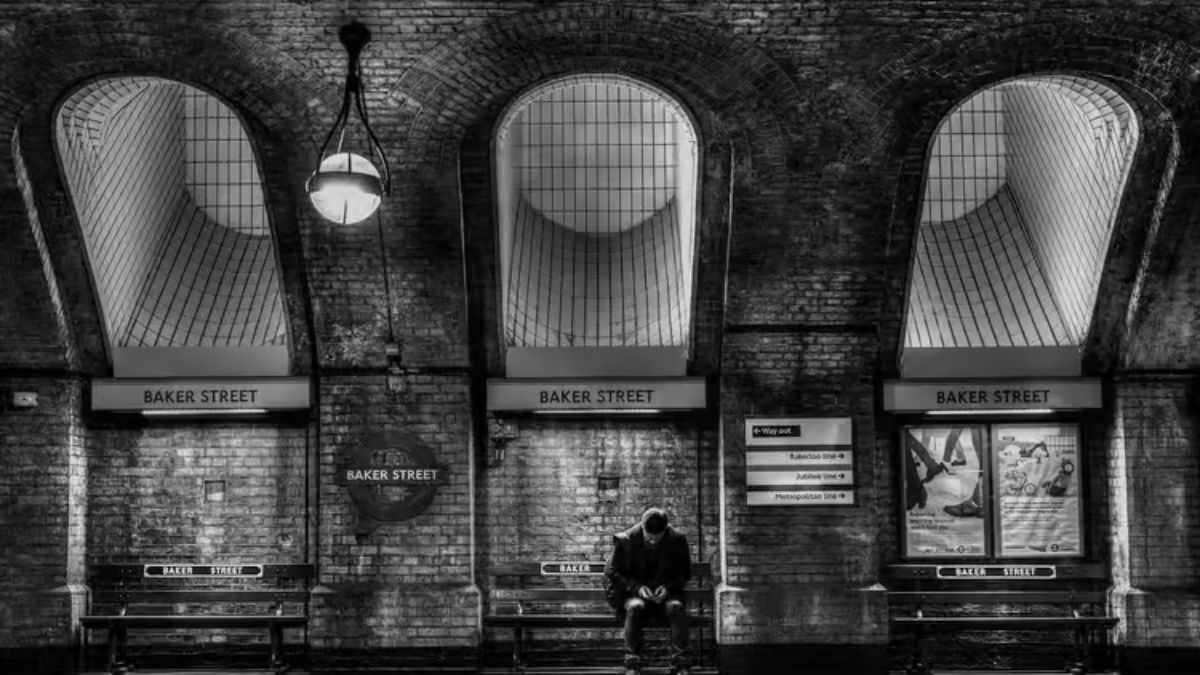
Searching for photography spots near me is often the first step toward capturing memorable images without traveling far from home. Whether you’re a beginner with a smartphone or an experienced photographer carrying professional gear, great photo opportunities can be found in almost every area.
The challenge is knowing where to look and when to visit. Local parks, historic buildings, waterfronts, urban streets, and hidden natural landscapes can all become incredible backdrops when photographed under the right conditions.
In this guide, you’ll learn how to discover the best photography locations nearby, what makes a location photogenic, and how to maximize every photography session.
Why Finding Great Photography Locations Matters
The location often determines the overall impact of a photograph. Even basic equipment can produce impressive images when paired with strong composition and an attractive setting.
A quality photography location can provide:
- Better natural lighting
- Unique backgrounds
- Interesting textures and colors
- Strong storytelling opportunities
- Variety for different photography styles
When photographers consistently shoot in visually appealing locations, they naturally improve their portfolios and social media content.
Photography Spots Near Me – What Makes a Great Location?
Not every location creates outstanding photographs. The best photography spots usually share several important characteristics.
Good Natural Light
Lighting is one of the most important elements in photography.
Look for locations that offer:
- Open skies during sunrise
- Golden hour illumination
- Reflections near water
- Soft shaded areas for portraits
Visual Interest
A strong photography location contains elements that attract attention.
Examples include:
- Unique architecture
- Colorful murals
- Flower gardens
- Mountain ranges
- Waterfront views
- Historic landmarks
Accessibility
A location should be easy to reach and safe to explore.
Consider:
- Parking availability
- Walking distance
- Accessibility for equipment
- Public access regulations
Seasonal Appeal
Many locations change dramatically throughout the year.
Spring flowers, summer greenery, autumn colors, and winter landscapes all provide fresh photographic opportunities.
Best Types of Photography Locations to Explore
Parks and Nature Reserves
Local parks remain some of the most reliable places for photography.
Benefits include:
- Scenic landscapes
- Wildlife opportunities
- Walking trails
- Seasonal variety
Nature reserves often provide peaceful environments with fewer distractions.
Urban Streets
Street photography can transform everyday scenes into compelling visual stories.
Look for:
- Colorful storefronts
- Interesting architecture
- Busy intersections
- Cafes and markets
- Street art
Waterfront Areas
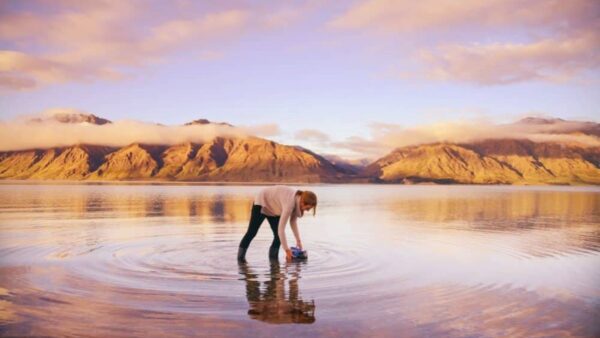
Lakes, rivers, beaches, and harbors offer excellent opportunities for reflections and dramatic lighting.
Popular subjects include:
- Sunrises
- Boats
- Wildlife
- Long-exposure photography
Historic Districts
Historic neighborhoods often feature unique buildings and textures unavailable elsewhere.
Photographers frequently use these areas for:
- Portrait sessions
- Travel photography
- Architectural photography
- Engagement photos
How to Discover Hidden Photography Gems Nearby
Many photographers overlook excellent locations simply because they aren’t obvious.
Use Online Maps
Satellite maps reveal:
- Scenic overlooks
- Lakes and rivers
- Walking trails
- Public gardens
Zooming into your local area often uncovers places you’ve never noticed before.
Join Local Photography Communities
Photography groups frequently share recommendations and location ideas.
These communities can help you find:
- Secret viewpoints
- Seasonal attractions
- Event-based opportunities
- Less crowded shooting locations
Explore During Different Times
A location that seems ordinary during midday can become extraordinary at sunrise or sunset.
Visit locations at:
- Early morning
- Golden hour
- Blue hour
- Nighttime
Follow Local Tourism Guides
Tourism websites often highlight scenic areas that photographers can use creatively.
Best Photography Spot Types by Photography Style
| Photography Style | Recommended Locations | Best Time to Shoot |
|---|---|---|
| Landscape Photography | Mountains, parks, lakes | Sunrise and sunset |
| Portrait Photography | Gardens, historic districts | Golden hour |
| Street Photography | Downtown areas, markets | Morning and evening |
| Wildlife Photography | Nature reserves, wetlands | Early morning |
| Architecture Photography | City centers, historic buildings | Blue hour |
This table can help photographers quickly match locations to their preferred style.
How to Evaluate a Photography Location Before Visiting
Preparation saves time and increases the chances of getting great shots.
Check Lighting Conditions
Use weather forecasts and sun-position tools to determine:
- Sunrise direction
- Sunset direction
- Cloud coverage
- Weather conditions
Research Crowds
Popular attractions may become crowded during weekends.
For quieter shooting conditions:
- Visit weekdays
- Arrive early
- Explore off-season periods
Review Recent Photos
Looking at recent visitor photos helps you understand:
- Current conditions
- Seasonal appearance
- Potential compositions
Essential Gear for Local Photography Adventures
You don’t need expensive equipment to create beautiful images.
Beginner Setup
- Smartphone camera
- Portable tripod
- Lens cleaning cloth
- Power bank
Intermediate Setup
- Mirrorless or DSLR camera
- Wide-angle lens
- Prime portrait lens
- Extra batteries
Advanced Setup
- Professional camera body
- Multiple lenses
- ND filters
- Drone (where permitted)
Photography Gear Comparison Table
| Equipment | Best For | Advantages | Limitations |
|---|---|---|---|
| Smartphone | Everyday photography | Portable and convenient | Limited manual controls |
| Mirrorless Camera | General photography | Excellent image quality | Higher cost |
| DSLR Camera | Professional work | Versatile and reliable | Heavier equipment |
| Drone | Aerial photography | Unique perspectives | Flight restrictions |
Choosing the right equipment depends on your photography goals and budget.
Best Times to Visit Photography Locations
Timing can dramatically improve photo quality.
Golden Hour
The hour after sunrise and before sunset produces:
- Warm tones
- Soft shadows
- Flattering portrait light
Blue Hour
Occurs shortly before sunrise and after sunset.
Benefits include:
- Rich blue skies
- City light contrast
- Atmospheric scenes
Overcast Days
Cloudy weather creates:
- Even lighting
- Reduced harsh shadows
- Better portrait conditions
Photography Location Planning Framework
| Planning Step | Purpose | Outcome |
|---|---|---|
| Research Location | Understand scenery | Better preparation |
| Check Weather | Predict lighting | Improved image quality |
| Scout the Area | Find compositions | More creative photos |
| Arrive Early | Avoid crowds | Better shooting conditions |
| Review Results | Improve future sessions | Consistent growth |
This simple framework helps photographers consistently achieve better results.
Pros and Cons of Popular Photography Locations
Pros
- Easy access to creative opportunities
- Variety of photographic styles
- Lower travel expenses
- Frequent practice opportunities
- Improved local knowledge
Cons
- Some locations become overcrowded
- Weather can limit shooting conditions
- Certain areas require permits
- Repeated visits may reduce creative inspiration
Common Mistakes When Searching for Photography Locations
Many photographers unintentionally limit their results.
Common mistakes include:
Ignoring Lighting
Even beautiful locations can look disappointing in poor lighting conditions.
Visiting Only Once
Returning at different times often reveals completely new compositions.
Following Popular Trends Exclusively
Well-known spots are useful, but unique images often come from lesser-known locations.
Not Exploring Nearby Areas
The most interesting photographs are sometimes found just outside the main attraction.
Best Practices for Capturing Better Photos at Any Location
Arrive Early
Extra time allows you to scout compositions before ideal lighting appears.
Shoot Multiple Perspectives
Avoid taking every image from eye level.
Experiment with:
- Low angles
- High viewpoints
- Wide shots
- Close-up details
Include Foreground Elements
Foreground objects add depth and visual interest.
Examples include:
- Flowers
- Rocks
- Fences
- Trees
Stay Patient
Great photography often requires waiting for:
- Better light
- Interesting subjects
- Improved weather conditions
Practical Example: Turning an Ordinary Location Into a Great Photo Spot
Imagine a small neighborhood park.
At midday, it may appear average.
However, during sunrise:
- Morning fog adds atmosphere
- Warm sunlight creates depth
- Dew reflects light beautifully
- Fewer people are present
The location hasn’t changed, but the conditions have transformed the photographic possibilities.
This demonstrates why timing and observation are often more important than distance.
Conclusion
Finding great photography locations doesn’t require expensive travel or famous destinations. By researching local areas, understanding lighting conditions, exploring different environments, and revisiting locations throughout the year, you can build an impressive collection of images close to home.
The next time you search for photography spots nearby, think beyond obvious landmarks. Parks, city streets, waterfronts, gardens, historic districts, and hidden viewpoints can all become incredible photography destinations when approached creatively.
Consistent exploration and practice will help you discover locations that many people overlook while improving your photography skills with every outing.
Frequently Asked Questions
1. How do I find the best photography spots near me?
Use map applications, local photography groups, tourism guides, and social media location tags to discover scenic and lesser-known locations nearby.
2. What time is best for outdoor photography?
Golden hour, shortly after sunrise and before sunset, typically provides the most flattering natural light.
3. Are local parks good for photography?
Yes. Parks offer landscapes, wildlife, seasonal changes, and portrait opportunities that work well for photographers of all skill levels.
4. Can I take professional photos in public places?
In many locations, yes. However, some parks, landmarks, and private properties may require permits for commercial photography.
5. What camera is best for photographing local scenery?
Both smartphones and dedicated cameras can produce excellent results. The best choice depends on your budget, experience, and photography goals.
/ You May Also Read /
Photography Locations Near Me: Best UK Spots to Visit in 2026
Photography Places Near Me: Top 10 Hidden Gems in the UK You Need to Shoot
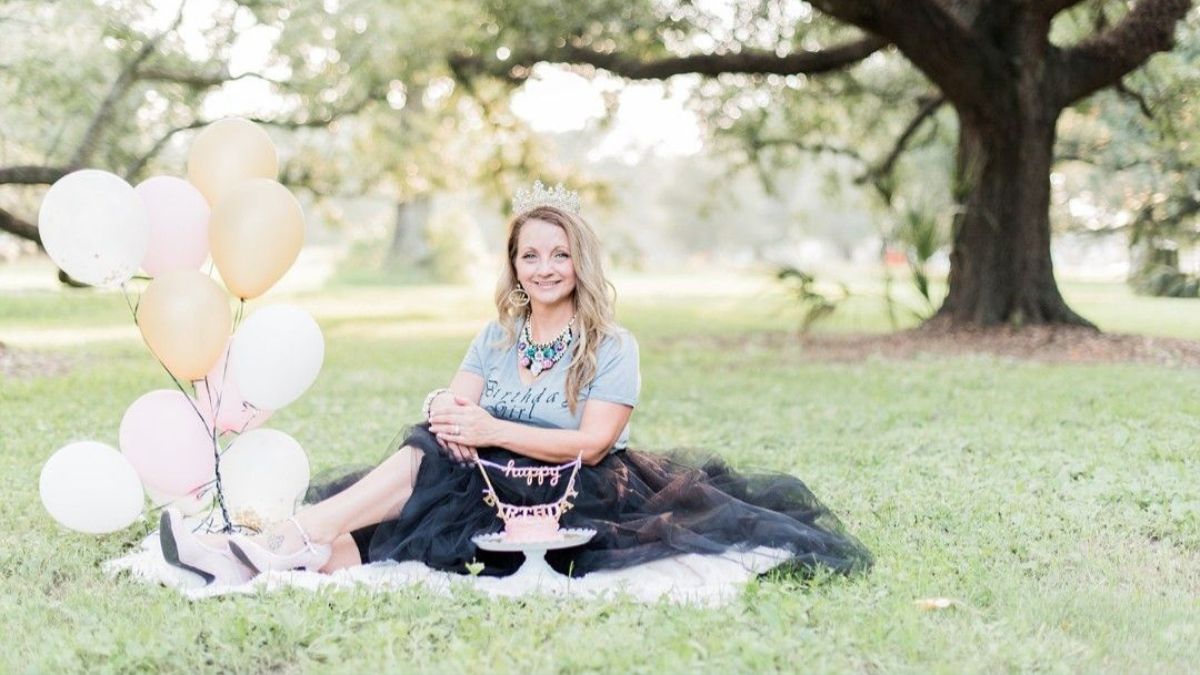
Looking for fresh photoshoot ideas that actually stand out? You are not alone. Thousands of people search for new ways to capture memories every single day.
Whether you are a beginner with a phone camera or a professional with a full studio, the right photoshoot ideas can turn an ordinary photo into something unforgettable. In fact, the best photos often come from simple concepts done with care.
This guide walks you through everything. You will find ideas for portraits, couples, families, fashion, and business shoots. So, let’s get started.
Quick Facts: Photoshoot Ideas at a Glance
| Category | Best For | Difficulty Level | Popularity in 2026 |
|---|---|---|---|
| Portrait | Individuals, headshots | Easy | Very High |
| Outdoor/Nature | Couples, families | Medium | High |
| Studio | Fashion, product | Medium | High |
| Themed/Creative | Social media content | Hard | Rising Fast |
| Candid/Lifestyle | Influencers, blogs | Easy | Very High |
What Are Photoshoot Ideas?
Photoshoot ideas are creative concepts, themes, or setups used to plan a photography session with a clear purpose. They guide the location, outfit, lighting, and pose choices. As a result, the photos feel intentional instead of random.
Why Photoshoot Ideas Matter
A photoshoot without a plan often feels flat. However, a clear idea gives every photo direction and meaning.
Think about it. A themed shoot tells a story. A random shoot just captures a moment. Therefore, planning ahead always improves the final result.
Understanding Your Style and Purpose
Before picking an idea, ask yourself a simple question. What is this photoshoot for?
Is it for social media, a portfolio, a special occasion, or just for fun? Because the purpose changes everything, from location to outfit choices. Additionally, your personal style should guide your final decision.
Best Photoshoot Ideas By Category
Here is a breakdown of popular photoshoot ideas, grouped by category and purpose.
| Idea | Category | Setting |
|---|---|---|
| Golden hour portraits | Portrait | Outdoor |
| Mirror reflection shots | Creative | Indoor |
| Silhouette against sunset | Nature | Outdoor |
| Flat lay product shots | Business | Studio/Home |
| Candid street walking | Lifestyle | Urban |
| Pastel backdrop studio | Fashion | Studio |
| Rainy window portraits | Moody/Artistic | Indoor |
| Family picnic scenes | Family | Outdoor |
| Couple laughing candids | Couple | Anywhere |
| Rooftop city skyline | Urban | Outdoor |
Portrait Photoshoot Ideas
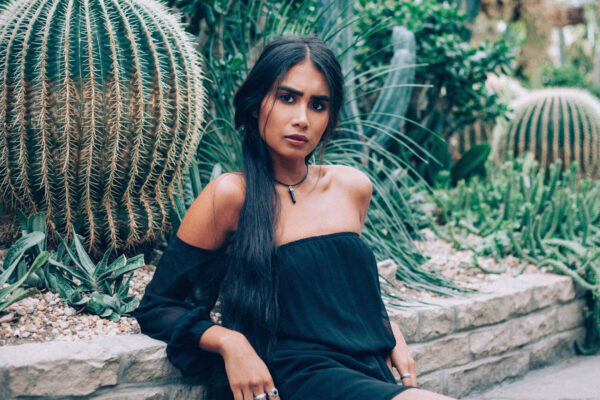
Portraits remain one of the most searched photoshoot ideas online. A close-up shot with natural light often works best. For example, standing near a window during morning hours creates soft, flattering light.
Outdoor and Nature Photoshoot Ideas
Nature offers free, ever-changing backdrops. Beaches, forests, and open fields all add depth to a photo. Meanwhile, golden hour, the hour before sunset, gives skin a warm and natural glow.
Studio and Fashion Photoshoot Ideas
Studios give full control over lighting and background. Because of this, they are perfect for fashion, product, and branding shoots. A plain backdrop also helps the subject stand out clearly.
Themed and Creative Photoshoot Ideas
Creative themes make photos memorable. Think retro outfits, colorful smoke bombs, or double exposure effects. Instead of a plain shoot, these ideas turn photography into storytelling.
Couple and Family Photoshoot Ideas
Couple and family shoots focus on emotion. Genuine laughter, small gestures, and candid moments always beat stiff, posed shots. So, encourage natural interaction instead of forced smiles.
Step-by-Step: How to Plan a Photoshoot
Planning matters as much as the idea itself. Here is a simple timeline to follow.
| Stage | Action | Details |
|---|---|---|
| One Week Before | Choose theme and location | Research lighting and permits |
| Two Days Before | Plan outfits and props | Match colors to the setting |
| Shoot Day | Arrive early | Test lighting before starting |
| After Shoot | Edit and select photos | Pick top 10-15 final shots |
Before the Shoot
Scout your location in advance, if possible. Additionally, check the weather forecast and lighting conditions. This small step saves a lot of stress later.
During the Shoot
Take more photos than you think you need. However, focus on quality over quantity in each set. Direct your subject gently, but let natural moments happen too.
After the Shoot
Editing shapes the final mood of your photos. Basic adjustments, like brightness and contrast, often make a big difference. Yet, avoid over-editing, since natural results usually perform better online.
Budget Breakdown for a Photoshoot
Costs vary widely depending on your setup and goals.
| Expense | Estimated Cost | Notes |
|---|---|---|
| Camera or phone gear | $0 – $2,000 | Many phones now work well |
| Location rental | $0 – $500 | Free with outdoor spots |
| Outfits and props | $20 – $300 | Depends on the theme |
| Professional photographer | $100 – $1,500 | Varies by experience level |
| Editing software | $0 – $50/month | Free apps are also available |
Where the Money Goes
Most beginners spend on props and outfits first. Professionals, however, often invest more in lighting equipment. Because lighting affects every single photo, this investment usually pays off.
Personal Style and Choosing What Works for You
Not every idea suits every person. Therefore, choose concepts that match your comfort level and personality.
Matching Ideas to Your Personality
Bold personalities often enjoy bright colors and dramatic poses. Meanwhile, calmer personalities may prefer soft tones and quiet, candid shots. There is no wrong choice here. Instead, the best photoshoot idea is the one that feels true to you.
What Makes These Photoshoot Ideas Unique
Interestingly, the best photoshoot ideas are rarely complicated. What makes them unique is emotional honesty, not expensive gear. A simple candid laugh often outperforms a highly staged, perfect pose.
Moreover, trends now favor authenticity over perfection. As a result, natural lighting and real expressions are more popular than ever in 2026.
Common Mistakes and Challenges People Face
Many people rush their planning stage. However, this often leads to disappointing results.
- Ignoring lighting conditions
- Overplanning poses instead of allowing natural movement
- Choosing outfits that clash with the background
- Skipping a test shot before the real session
- Editing photos too heavily
Avoiding these mistakes can instantly improve your photoshoot results.
Trends and Influence in 2026
In 2026, candid and lifestyle-style photography continues to dominate social media. Additionally, film-style filters and grainy textures have made a strong comeback. Furthermore, AI-assisted editing tools are now common, though many photographers still prefer manual edits for a personal touch.
Interesting and Lesser-Known Tips
Here are a few tips that most beginners overlook.
- Shooting during overcast days gives soft, shadow-free light
- Puddle reflections after rain create unique mirror effects
- A white bedsheet can work as a budget backdrop
- Slightly underexposing a photo often looks more cinematic
Similar Concepts and Comparisons
Photoshoot ideas often overlap with related concepts like styled photography, editorial shoots, and influencer content creation. However, each one has a slightly different goal. Editorial shoots focus on storytelling for magazines, while influencer content prioritizes engagement and relatability.
Photoshoot Ideas – 2026 Update
Public interest in photoshoot ideas keeps rising every year. In fact, short-form video platforms have pushed even more people toward creative, shareable photo concepts. Therefore, expect this trend to keep growing through 2026 and beyond.
FAQs
1. What are the best photoshoot ideas for beginners?
Simple portrait shoots using natural window light work best for beginners. They require minimal equipment and are easy to edit later.
2. How do I plan a photoshoot on a low budget?
Use natural outdoor locations and everyday outfits. Additionally, free editing apps can replace expensive software.
3. What time of day is best for outdoor photoshoots?
Golden hour, right before sunset, offers the most flattering natural light. Early morning light also works well for soft, calm tones.
4. How many photos should I take during a photoshoot?
Aim for 50 to 100 shots per concept. This gives you enough variety to select the best final images.
5. Do I need a professional camera for good photoshoot ideas?
No, modern phone cameras can capture high-quality photos. However, good lighting matters far more than the camera itself.
Conclusion
At the end of the day, photoshoot ideas are not about perfect gear or expensive locations. They are about capturing real moments that mean something to you.
So, pick an idea that feels true to your story. Because the most memorable photos always come from authentic, unforgettable moments.
/ You May Also Read /
Wildlife Photography for Beginners: Tips, Gear, and Techniques That Work
Aura Photography Near Me: Complete Guide to Finding the Best Aura Photography Experience
Introduction
Have you ever flipped through a magazine and stopped on one image? That pause is the power of editorial photography.
Editorial photography is not just a pretty picture. It is a visual story built to support an article, a fashion feature, or a brand narrative. Because of this, it sits somewhere between journalism and art.
In this guide, you will learn what editorial photography really means. You will also see how it started, how photographers build a career in it, and where the industry stands in 2026.
Quick Facts
| Category | Details |
|---|---|
| What It Is | A photography style used to visually narrate a story for magazines, newspapers, or digital publications |
| Also Known As | Magazine photography, editorial photojournalism style |
| Primary Use | Fashion magazines, news outlets, digital editorials, brand storytelling |
| Key Purpose | To support and enhance a written story through images |
| Typical Subjects | People, fashion, lifestyle moments, portraits, real-life scenes |
| Common Equipment | Mirrorless or DSLR cameras, prime lenses, studio and natural lighting |
| Career Field | Photography, visual journalism, fashion media |
| Income Style | Freelance, staff, and hybrid publication-based work |
| 2026 Demand | Rising, driven by a shift toward authentic, story-first visuals |
Who Uses Editorial Photography?
Editorial photography is the style used by magazines, newspapers, and online publications to tell a visual story alongside written content. Unlike advertising photography, its goal is to inform or move the reader emotionally, not sell a product directly.
You will find it in fashion spreads, celebrity profiles, lifestyle features, and even hard news coverage. Because of this, the style constantly borrows from both art and journalism.
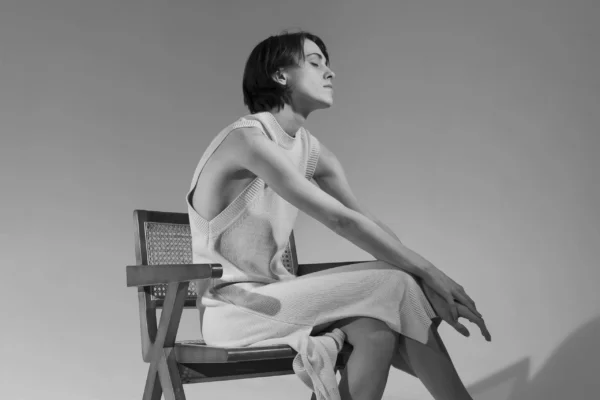
Early History and Background
Editorial photography did not appear overnight. It grew out of early photojournalism in the 1920s and 1930s, when magazines first realized that images could carry a story on their own.
Publications like Life magazine changed how readers consumed news. Instead of only reading about an event, people could now see it. As a result, photographers became storytellers, not just documenters.
Cultural and Creative Influences
Fashion houses and design magazines pushed this idea even further. Editorial fashion photography, in particular, blended art direction, styling, and photography into one creative package.
Meanwhile, photojournalists working for newspapers focused on capturing real, unscripted moments. Both paths shaped what we now call editorial photography today.
How Photographers Build an Editorial Career
Most editorial photographers do not start with a magazine cover. Instead, they build a body of work slowly, one project at a time. Below is a general timeline of how the field has evolved.
| Era | Milestone | Details |
|---|---|---|
| 1920s–1930s | Birth of photojournalism | Magazines began using photos to tell news stories visually |
| 1960s–1980s | Golden age of magazine editorials | Fashion publications defined the modern editorial look |
| 1990s–2000s | Digital transition | Digital cameras replaced film, speeding up editorial workflows |
| 2010s | Social media influence | Instagram blurred lines between editorial and lifestyle photography |
| 2020s | Authenticity movement | Brands pushed back on heavy editing in favor of raw, real imagery |
| 2026 | Hybrid era | AI tools assist editing, but human storytelling remains central |
Career Beginnings
Most photographers start by assisting an established professional. This is where they learn lighting, pacing, and how to work with a creative team under pressure.
However, some build a portfolio independently. They shoot personal projects and pitch them directly to small publications or online magazines.
Rise Within the Industry
Once a photographer builds a strong portfolio, editors start reaching out. Therefore, consistency and a clear personal style matter more than raw talent alone.
In fact, many well-known editorial photographers built their reputation through one signature look. That signature became their calling card across multiple publications.
Recognized Achievements in the Field
Success in editorial photography is often measured through published covers, awards, and long-term collaborations with major publications. Additionally, some photographers cross over into commercial and advertising work once they gain recognition.
Editorial Photography Income Breakdown
Public information about exact industry-wide earnings is limited, since rates vary by publication, region, and experience. Still, most income in this field comes from a mix of sources.
| Income Source | Estimated Earnings | Notes |
|---|---|---|
| Magazine assignments | Varies by publication size and photographer experience | Larger publications generally pay more than niche outlets |
| Freelance commissioned shoots | Project-based, ranges widely | Depends on client budget and usage rights |
| Licensing and editorial stock images | Ongoing, smaller amounts per use | Income builds over time through repeated licensing |
| Brand and fashion campaigns | Often higher than pure editorial work | Common path once a photographer gains recognition |
| Workshops and teaching | Supplementary income | Many photographers diversify once established |
How Photographers Actually Make Money
Most editorial photographers combine several income streams instead of relying on one. For example, a photographer might shoot for a magazine while also licensing older work and teaching workshops.
This mix protects them from slow seasons. As a result, diversified income has become the norm, not the exception, in this field.
The Lifestyle Behind the Lens
Editorial photography is not a nine-to-five job. Shoots can happen early morning or late at night, depending on light, location, and the creative team’s schedule.
Travel is common too. Many editorial photographers move between cities for fashion weeks, press events, or on-location shoots tied to a story.
Working Relationships That Matter
A single editorial shoot involves more than just the photographer. Stylists, makeup artists, art directors, and editors all shape the final image together.
Because of this, strong communication skills matter just as much as technical camera skills. A photographer who collaborates well often gets called back for future projects.
What Makes Editorial Photography Unique
Unlike commercial photography, editorial work is led by a story first, not a sales goal. This gives the photographer more creative freedom to experiment with mood, composition, and emotion.
Interestingly, this freedom is also what draws so many photographers to the field. Instead of shooting a product to look flawless, they get to shoot a moment that feels true.
Think about it this way: a commercial photo sells you something, but an editorial photo makes you feel something first.
Key Turning Points in the Industry
The shift from print to digital changed everything for editorial photography. Magazines that once relied only on print sales had to build strong online editorial content too.
Furthermore, social media created a new distribution channel. A single striking editorial image can now reach millions of people within hours, something print alone could never do.
Challenges Facing Editorial Photographers Today
The photography industry has faced real pressure in recent years. Magazine budgets have shrunk, and many publications now pay less for editorial work than they did a decade ago.
Additionally, the rise of AI-generated imagery has raised new questions. Some worry it could replace certain types of editorial shoots. However, current industry commentary suggests brands are actually moving toward more human, less “perfect” imagery as a response.
So, instead of replacing photographers, this shift has pushed many toward more authentic, story-driven work. That trend has become one of the strongest movements in the field heading into 2026.
Public Image and Influence of Editorial Photography
Editorial photography shapes how the public sees fashion, culture, and even news events. A powerful editorial image can define how an entire generation remembers a moment.
Moreover, this style has influenced advertising, social media content, and even film. Many brands now request an “editorial look” specifically because it feels more credible than a polished ad.
Interesting and Lesser-Known Facts
- Editorial photography often does not pay as well as commercial work, yet many top photographers still prioritize it for creative freedom.
- Some of the most iconic magazine covers in history were shot on very limited budgets.
- Editorial photographers frequently shoot personal projects with no pay just to build a stronger portfolio.
- A single editorial spread can take a full day to shoot but only seconds for a reader to view.
- Many fashion trends were first introduced to the public through editorial spreads, not runway shows.
Editorial vs Other Photography Styles
Editorial photography is often confused with fashion, commercial, or documentary photography. However, each serves a different purpose.
- Editorial photography supports a story or article with strong visual narrative.
- Commercial photography exists to sell a product or service directly.
- Fashion photography can overlap with editorial work but often focuses purely on clothing and styling.
- Documentary photography captures real events with minimal creative direction, unlike the styled approach of editorial work.
Editorial Photography in 2026
Based on current industry commentary, 2026 has brought a strong shift toward authenticity in editorial work. Candid, unposed photography is gaining popularity fast, as creators lean into grain, blur, and real, imperfect expressions instead of polished perfection.
At the same time, AI has entered the workflow, but mostly behind the scenes. AI now handles tasks like sorting through frames, smart selection, and batch exposure fixes, while photographers still bring their physical presence, emotional read of a scene, and storytelling instinct.
Cinematic, film-inspired visuals have also become popular in editorial work this year. This style is shaping fashion campaigns, social storytelling, and editorial portraits with a narrative feel pulled straight from film. As a result, 2026 feels like a year where technology and human storytelling are working together, not against each other.
Frequently Asked Questions
What is editorial photography in simple terms?
Editorial photography is a style of photography used to support a story, article, or feature, usually in a magazine or online publication. It focuses on storytelling over selling a product.
How is editorial photography different from commercial photography?
Editorial photography supports a narrative, while commercial photography is created to promote or sell a product. Editorial work generally allows more creative freedom.
Do editorial photographers need a formal degree?
No formal degree is required, though many photographers study photography or visual arts. Building a strong portfolio matters more than formal education in this field.
How much do editorial photographers earn?
Public information about exact average earnings is limited, since pay varies by publication, location, and experience. Income often comes from a mix of assignments, licensing, and brand work.
Is editorial photography still relevant in 2026?
Yes, editorial photography remains highly relevant. In fact, the current shift toward authentic, story-driven imagery has made this style more valued than ever.
Conclusion
Editorial photography has never really been about a perfect shot. It has always been about a true one.
From early photojournalism to today’s blend of raw authenticity and smart AI tools, this craft keeps adapting without losing its soul. So, the next time you pause on a magazine image, remember someone built that moment to make you feel something.
That is the quiet power of editorial photography, and it is not going anywhere.
/ You May Also Read /
Portraits and Photography: Your Complete Guide to Capturing Stunning Images in 2026
Challenges of Photography: Common Obstacles Every Photographer Faces and How to Overcome Them
Introduction
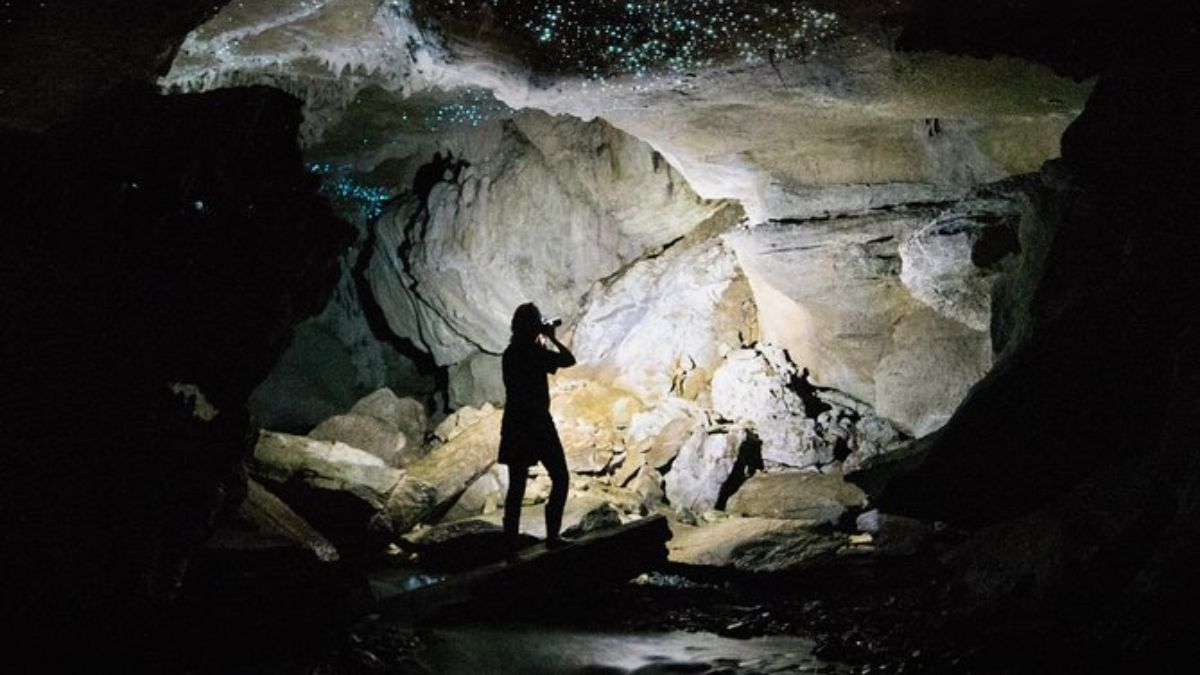
Caves are pitch black, damp, and completely unforgiving to a camera. So how do photographers capture those glowing, magical shots you see online?
The secret lies in mastering cave photography tips for lighting and exposure. Get these two things right, and even a phone-lit tunnel can look like another planet.
This guide breaks down exactly how to light a cave, set your exposure, and avoid the mistakes that ruin most underground shots.
Quick Facts
<div class=”wp-table-wrapper”>
| Detail | Information |
|---|---|
| Skill Level Needed | Intermediate to Advanced |
| Best Camera Mode | Manual (M) |
| Recommended ISO Range | 400–3200 |
| Typical Aperture | f/8–f/16 |
| Shutter Speed Range | 1 second–30 seconds (tripod required) |
| Essential Gear | Tripod, headlamp, off-camera flash |
| Best Light Source | Continuous LED or light painting torch |
| Common Technique | Light painting combined with long exposure |
</div>
What Is Cave Photography Lighting and Exposure?
Cave photography lighting and exposure is the technique of controlling artificial light and camera settings to capture detail in a space with zero natural light. Because caves have no ambient light, photographers rely on long shutter speeds, wide apertures, and manual light sources. This combination reveals textures, colors, and depth that the human eye can barely see in the dark.
Why Lighting Matters in Caves
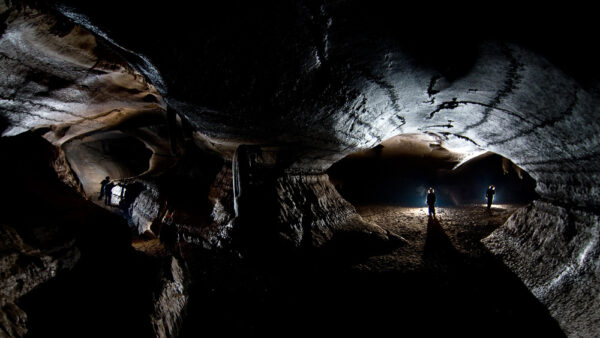
A cave is not like a dim room. It is total darkness, broken only by whatever light you bring in.
Because of this, your light source becomes your biggest creative tool. Where you place it changes everything about the final image.
For example, light from directly behind the camera flattens the scene. But light from the side reveals texture in the rock.
Family and Early Influences of the Technique
Cave photography grew from early spelunking documentation and mining photography in the 1900s. Photographers used magnesium flash powder long before modern strobes existed.
Today, LED torches and wireless flashes have replaced those risky old methods. However, the core idea stays the same: bring your own light, and control it carefully.
Mastering Exposure Settings (Step-by-Step Process)
Getting a clean cave shot is not random. It follows a clear process every time.
<div class=”wp-table-wrapper”>
| Stage | Action | Details |
|---|---|---|
| 1. Scout | Visit or research the cave first | Note hazards, angles, and formations |
| 2. Setup | Mount the camera on a tripod | Use a remote shutter or timer |
| 3. Meter | Take a test shot | Check the histogram, not just the screen |
| 4. Light | Add your light source | Use light painting or off-camera flash |
| 5. Expose | Set a long shutter speed | Typically 5–30 seconds |
| 6. Review | Check sharpness and exposure | Reshoot if the image is too dark or blown out |
</div>
Getting Started With Cave Exposure
Beginners should start in manual mode. Auto settings almost always guess wrong in near-total darkness.
Set your ISO around 800 first. Then open your aperture to f/8 and test a 10-second exposure.
Check the histogram, not the LCD screen. Cave scenes often look brighter on screen than they actually are.
Advanced Lighting Techniques
Once you understand the basics, try light painting. This means moving a torch across the scene during a long exposure.
Moreover, off-camera flash gives you more control than a torch. You can trigger it wirelessly and freeze motion in specific areas.
For example, one flash pointed at a rock wall and another lighting the foreground creates depth. This layered lighting is what separates flat shots from stunning ones.
Techniques That Produce Award-Level Shots
Bracketing exposures is one trick used for competition-level cave photos. Shoot the same frame at three or more exposure levels.
Then, blend them later using exposure blending or HDR software. As a result, you capture both the bright light source and the dark shadows in one final image.
Essential Gear and Cost Breakdown
You do not need every tool on this list. But having the right gear makes cave shooting far easier.
<div class=”wp-table-wrapper”>
| Item | Estimated Cost | Purpose |
|---|---|---|
| Sturdy Tripod | $80–$250 | Stability for long exposures |
| Headlamp or Torch | $20–$100 | Hands-free lighting and light painting |
| Off-Camera Flash | $150–$500 | Directional fill light |
| Wide-Angle Lens | $300–$1,200 | Capturing the full scale of a cave |
| Remote Shutter Release | $15–$40 | Prevents camera shake during long exposures |
</div>
How Photographers Actually Use This Gear
Most cave photographers combine a wide lens with a tripod as their base setup. Then, they add one or two lights depending on the scene.
Instead of buying everything at once, start with a tripod and a single strong torch. You can add flashes later as your skills grow.
Safety and Preparation
Caves are physically demanding and sometimes dangerous. So, safety planning matters just as much as camera settings.
Always tell someone where you are going. Additionally, carry a backup light source in case your main one fails.
Wear proper footwear because cave floors are often wet, uneven, or slippery. Because visibility is low, a fall here is riskier than in a normal setting.
What Makes Cave Photography Lighting Unique
Unlike landscape or portrait photography, you fully control every light source in the frame. There is no sun, no bounce light, and no ambient glow to rely on.
Interestingly, this gives photographers total creative freedom. You decide exactly where shadows fall and where highlights appear.
Think about it like painting with a camera. Every beam of light is a deliberate brushstroke, not a happy accident.
Common Challenges and Mistakes to Avoid
Even experienced photographers struggle with a few recurring issues underground. Public information about exact failure rates is limited, but these mistakes come up constantly in photography communities.
- Underexposing the scene — Caves trick your eyes into thinking there is more light than there is.
- Camera shake — Long exposures amplify even small movements, so always use a tripod.
- Flat lighting — Placing light directly behind the camera removes texture and depth.
- Condensation on the lens — Cave humidity fogs glass quickly, so allow your gear to adjust to temperature first.
- Overusing one light source — A single flat light rarely creates a compelling image.
However, each of these problems has a simple fix once you know what to look for.
Impact and Influence on Modern Photography
Cave photography has influenced broader lighting techniques used in studio and product photography. The idea of “light painting” started underground before spreading into mainstream creative photography.
Furthermore, social media has pushed more photographers to explore caves as unique, unexplored content. As a result, this niche has grown steadily in popularity since 2020.
Interesting and Lesser-Known Tips
- Bring a white balance reference card. Cave walls have color casts that confuse auto white balance.
- Shoot in RAW format. This gives you far more flexibility to fix exposure later.
- Use a small aperture like f/16 near light sources to create a starburst effect.
- Bracket every important shot. You cannot easily go back and reshoot in a remote cave.
Similar Genres and Comparisons
Cave photography shares techniques with astrophotography and urban exploration photography. All three rely on long exposures and manual light control.
However, cave photography is unique because you control 100% of the light. Astrophotographers work with starlight, and urbex photographers often use existing structure lighting.
Meanwhile, underwater photography shares the equipment challenges of harsh, unpredictable environments. But water adds refraction issues that caves do not have.
Cave Photography Trends in 2026
By 2026, more photographers are pairing multiple wireless flashes with smartphone control apps. This makes complex lighting setups faster to adjust in the field.
Additionally, compact LED panels have replaced bulky flash rigs for many hobbyists. They are lighter, easier to carry through tight cave passages, and simpler to control.
Drone photography inside larger cave systems is also becoming more common, though access restrictions still limit this in many locations.
FAQs
What ISO should I use for cave photography? Start around ISO 800 and adjust based on your light source. Lower ISO reduces noise but needs a longer exposure or stronger light.
Can I shoot cave photos without a tripod? It is very difficult. Long exposures require a stable base, so a tripod is essentially required for sharp results.
What is the best light source for cave photography? A combination of a continuous LED torch for light painting and an off-camera flash for fill light works best for most scenes.
Why do my cave photos look too dark? Your shutter speed or ISO is likely too low for the available light. Increase exposure time or add more light before increasing ISO too much.
Is flash or continuous light better in caves? Both work well together. Flash freezes detail sharply, while continuous light gives more control over light painting effects.
Conclusion
Cave photography is not just about owning good gear. It is about understanding how light behaves when there is none to begin with.
Once you master lighting and exposure, a plain rock wall can turn into something breathtaking. So, grab your tripod, bring extra batteries, and start experimenting underground.
Every great cave shot starts the same way: total darkness, and a photographer willing to bring the light.
You May Also Read /
Portraits and Photography: Your Complete Guide to Capturing Stunning Images in 2026
Wedding Photography Packages: Complete Guide to Pricing, Coverage, and Value
-
 Lifestyle3 months ago
Family Photography: Best Poses, Locations & Expert Tips for Stunning Shots
-
 Photography Tips1 month ago
50+ Creative Photoshoot Ideas to Try in 2026
-

 Blog2 months ago
How to Turn On Profile Picture Guard: A Complete Step-by-Step Guide
-
 Photography Tips3 months ago
Challenges of Photography: Common Obstacles Every Photographer Faces and How to Overcome Them
-
 Photography Tips3 months ago
Photography in the Studio: Essential Tips and Setup Guide for Better Shots
-
 Blog2 months ago
Profile Picture Guide: How to Choose a Photo That Gets Noticed
-
 Studio Photography1 month ago
Types of Lighting in Photography: A Complete Beginner-to-Pro Guide
-
 Photography Tips2 months ago
Portraits and Photography: Your Complete Guide to Capturing Stunning Images in 2026