
Travel
Best Cameras for Travel Photography in 2026: A Practical Buying Guide

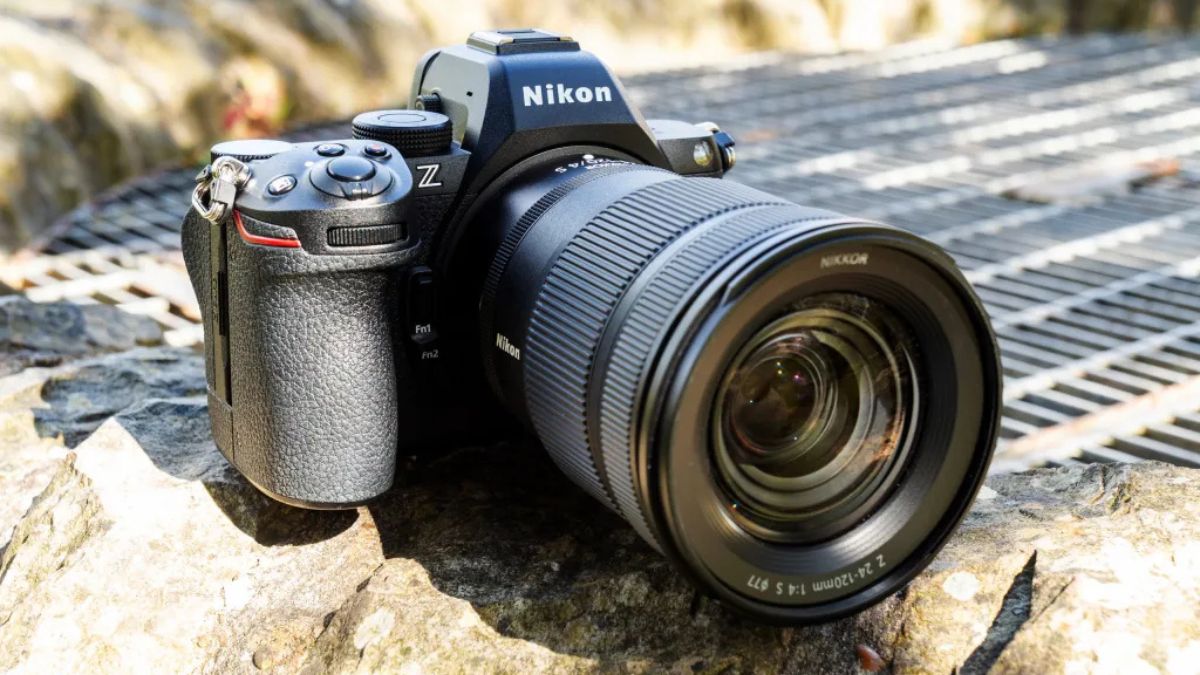
Picking the best cameras for travel photography isn’t just about specs on a box. It’s about finding a camera that fits your bag, your budget, and the way you actually shoot when you’re on the road. Whether you’re chasing sunrises over ancient ruins or capturing candid street moments in a new city, the right camera makes the whole experience smoother and a lot more fun.
Travel photography comes with its own set of challenges. You need something light enough to carry all day, tough enough to survive a bit of rain or dust, and capable enough to handle everything from wide landscapes to dim restaurant interiors. That’s a tall order, but the good news is there are more excellent options today than ever before.
In this guide, we’ll walk through what actually matters when choosing a travel camera, break down the top categories worth considering, and help you avoid the common mistakes that trip up first-time buyers.
What Makes a Camera Good for Travel Photography
Not every great camera is a great travel camera. A studio setup with multiple lenses and a heavy body might produce stunning images, but it’s the last thing you want slung over your shoulder on a twelve-hour flight.
Here’s what actually matters for travel use:
- Weight and size: You’ll be carrying this camera for hours, sometimes days, so portability counts for a lot.
- Battery life: Charging outlets aren’t always easy to find when you’re hiking or exploring remote areas.
- Weather sealing: Dust, humidity, and light rain shouldn’t end your shooting day early.
- Versatility: One camera that handles landscapes, portraits, and low-light scenes beats carrying three specialized ones.
- Ease of use: You want to capture the moment, not fumble through menus while a scene disappears.
Sensor Size and Image Quality
Sensor size directly affects image quality, especially in low light. Larger sensors, like full-frame or APS-C, generally capture more detail and handle shadows better than smaller sensor phones or compact cameras. That said, a smaller sensor camera that you actually carry with you beats a big, heavy one left in the hotel room.
Top Camera Types for Travel Photography
Different travelers have different needs. A backpacker crossing Southeast Asia has different priorities than a family road-tripping through Europe. Let’s break down the main categories.
Mirrorless Cameras
Mirrorless cameras have become the go-to choice for most travel photographers, and for good reason. They combine interchangeable lens flexibility with a much smaller body than traditional DSLRs.
Brands like Sony, Fujifilm, and Canon offer excellent mirrorless options with fast autofocus, strong image stabilization, and impressive video capabilities. This makes them ideal if you also want to shoot travel vlogs alongside your photos.
Compact Point-and-Shoot Cameras
If you want something that fits in a jacket pocket, a high-quality compact camera is worth a look. These cameras have smaller sensors than mirrorless models but still outperform most smartphones, especially in zoom range and manual controls.
They’re a favorite among travelers who want quality images without the hassle of swapping lenses or carrying extra gear.
DSLR Cameras
DSLRs are the older, bulkier sibling of mirrorless cameras. They still produce excellent images and often have longer battery life, but the added weight and size can be a real drag on long trips. They remain a solid choice for travelers who already own DSLR lenses and don’t want to switch systems.
Action and Adventure Cameras
For travelers focused on hiking, diving, or adrenaline-heavy activities, action cameras like GoPro models are tough to beat. They’re compact, waterproof, and built to survive drops and shakes that would destroy a regular camera.
Comparing Popular Travel Camera Categories
| Camera Type | Best For | Average Weight | Typical Price Range |
|---|---|---|---|
| Mirrorless | All-around travel, video and photo | 400–650g | $700–$2,200 |
| Compact Point-and-Shoot | Light packing, casual shooting | 250–400g | $400–$1,000 |
| DSLR | Existing lens owners, longer battery life | 600–900g | $600–$1,800 |
| Action Camera | Hiking, water sports, adventure | 100–150g | $250–$500 |
How to Choose Based on Your Travel Style
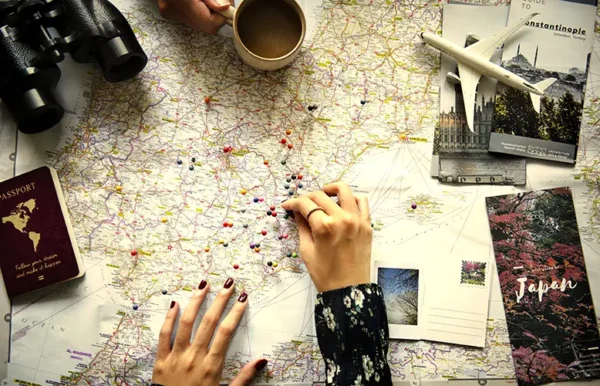
Your travel style should guide your camera choice more than any spec sheet. A city-hopping traveler has very different needs than someone spending weeks in the backcountry.
Solo Backpackers
If you’re moving fast and packing light, prioritize weight and battery life above almost everything else. A compact mirrorless with one versatile zoom lens is usually the sweet spot.
Family Vacationers
Families often want something simple enough for quick point-and-shoot moments but capable enough to capture great memories. A mid-range mirrorless or a high-end compact usually fits the bill.
Content Creators and Vloggers
If video matters as much as photos, look for strong autofocus tracking, flip-out screens, and good in-body stabilization. Many mirrorless models now cater specifically to hybrid shooters.
Practical Examples From Real Travel Scenarios
Let’s look at how camera choice plays out in real situations:
- A traveler photographing temples in Southeast Asia benefits from a weather-sealed mirrorless body to handle humidity and sudden rain.
- Someone snorkeling in the Maldives gets far more usable footage from a compact action camera than from a delicate mirrorless system.
- A photographer documenting street life in Tokyo often prefers a small, quiet mirrorless camera that doesn’t draw attention.
Pros and Cons of Popular Travel Camera Options
| Category | Pros | Cons |
|---|---|---|
| Mirrorless | Lightweight, versatile, great image quality | Lenses can add cost and bulk |
| Compact | Very portable, easy to use | Smaller sensor limits low-light performance |
| DSLR | Long battery life, rugged build | Heavier, bulkier for daily carry |
| Action Camera | Waterproof, extremely durable | Limited zoom and manual control |
Common Mistakes Travelers Make When Choosing a Camera
Even experienced travelers fall into these traps:
- Buying too much camera: A professional-grade body with five lenses often ends up staying in the hotel safe.
- Ignoring battery life: Not every destination has easy access to charging outlets.
- Skipping weather sealing: A sudden downpour can end a trip early for an unsealed camera.
- Overlooking storage needs: Running out of memory card space mid-trip is more common than people expect.
- Forgetting insurance: Expensive gear deserves protection against loss, theft, or damage.
Best Practices for Getting the Most Out of Your Travel Camera
- Test your camera thoroughly before your trip, not on day one of your vacation.
- Pack a lightweight tripod for low-light or long-exposure shots.
- Bring at least two memory cards and a backup battery.
- Learn your camera’s manual settings before relying on auto mode in tricky lighting.
- Back up photos daily using cloud storage or a portable drive.
Conclusion
Finding the best cameras for travel photography really comes down to matching gear to your specific travel style. Mirrorless cameras offer the best overall balance for most travelers, while compact cameras and action cameras serve specific niches extremely well. Whatever you choose, the goal is the same: a camera you’ll actually want to carry every single day of your trip, so you never miss the shot that matters.
Frequently Asked Questions
What is the best camera type for travel photography beginners?
A compact mirrorless camera with a versatile kit lens is usually the best starting point. It balances image quality, ease of use, and portability without overwhelming new users.
Do I need a full-frame camera for travel photography?
Not necessarily. APS-C and Micro Four Thirds sensors offer excellent image quality in a smaller, lighter package, which often matters more for travel than the slight quality boost of full-frame.
How much should I budget for a good travel camera?
Most travelers find a solid balance of quality and portability in the $700 to $1,500 range, though excellent compact options exist under $500.
Is a smartphone camera good enough for travel photography?
Modern smartphones handle casual travel photos well, but dedicated cameras still outperform them in zoom range, low-light quality, and manual control.
Should I bring multiple lenses when traveling?
One versatile zoom lens covers most travel scenarios. A second lens, like a wide-angle or portrait lens, is worth packing only if weight isn’t a major concern.
/ You May Also Read /
Photography Places Near Me: Top 10 Hidden Gems in the UK You Need to Shoot
Photography Locations Near Me: Best UK Spots to Visit in 2026
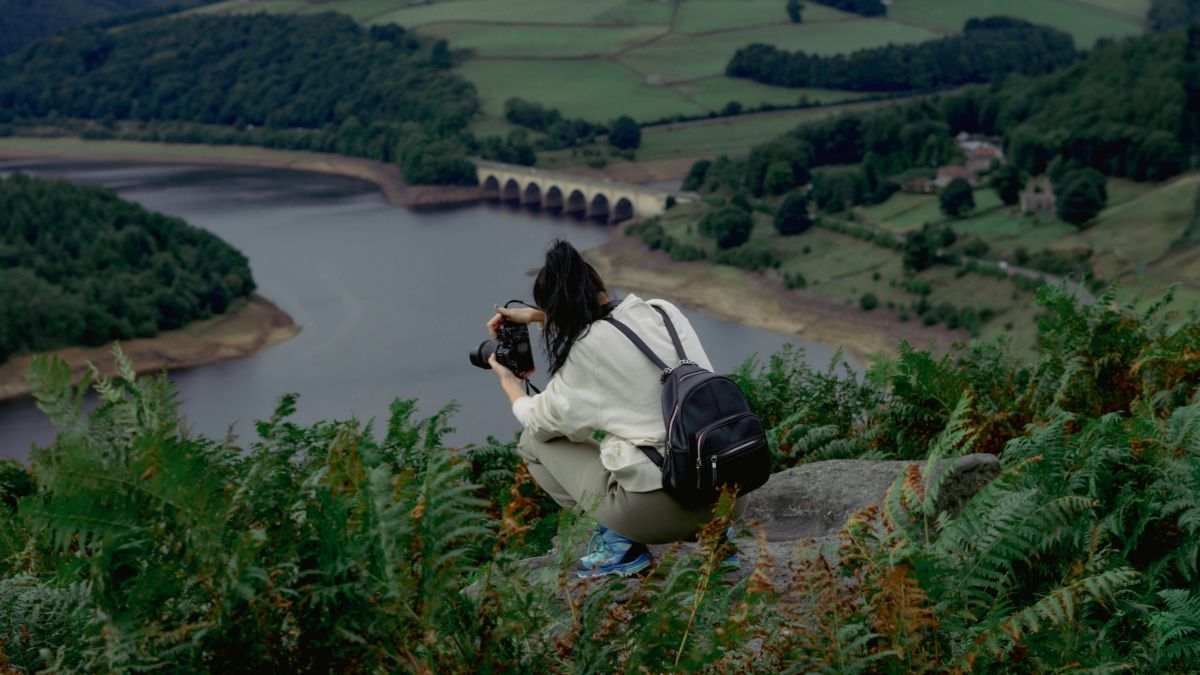
If you’ve ever typed “photography places near me” into Google at 11pm while restlessly scrolling through someone else’s stunning landscape shots, you’re not alone. The UK is absolutely packed with breathtaking locations — and honestly, a lot of the most photogenic spots never show up on the usual tourist maps. From forgotten industrial ruins to fairytale coastal villages, Britain hides its best backdrops in plain sight.
This guide cuts through the obvious choices. No Big Ben. No Edinburgh Castle. Instead, you’ll discover ten genuinely underrated locations scattered across England, Scotland, Wales, and Northern Ireland — each one worthy of a dedicated shoot.
Why the UK Is a Photographer’s Dream Destination
Before diving into the list, it’s worth appreciating just how diverse the British landscape is. In a single day, you can move from chalk cliffs to ancient forest, from moorland to medieval market town. The ever-changing weather — as frustrating as it can be — creates moody skies and dramatic lighting that photographers in sunnier countries would kill for.
The seasons matter enormously here too. Bluebells carpet woodland floors in late April. Heather turns Scottish hillsides purple in August. Autumn transforms the Lake District into something from a painting. Timing your visit can completely transform a location.
What Makes a Location “Hidden Gem” Worthy?
A hidden gem photography location typically shares a few traits:
- Low footfall — fewer people means cleaner compositions and no waiting for strangers to move
- Unique character — something visually distinctive that separates it from generic landscapes
- Variable shooting conditions — fog, golden hour, and seasonal changes all dramatically affect the mood
- Accessibility — ideally reachable within a reasonable drive or public transport journey
Top 10 Hidden Gem Photography Locations Across the UK
1. Dunnottar Castle, Aberdeenshire, Scotland
Perched dramatically on a North Sea headland, Dunnottar is the kind of ruin that makes you question whether you’ve walked into a fantasy novel. The clifftop position means you can shoot from the beach below at low tide for a jaw-dropping wide-angle composition, or work the headland path for elevated framing. Dawn light here is extraordinary.
Best time to visit: October to February for dramatic skies and low crowds.
2. Puzzlewood, Forest of Dean, Gloucestershire
Used as a filming location for Merlin and Star Wars, Puzzlewood is an ancient mossy woodland of twisted rock formations and gnarled trees. Shooting here feels like stepping into a different century. Overcast days — counterintuitively — work brilliantly because the flat light reduces harsh shadows under the dense canopy.
Best time to visit: Autumn for golden leaf colour; spring for vivid green moss.
3. Birnbeck Pier, Weston-super-Mare, Somerset
Unlike its better-known neighbour down the coast, Birnbeck Pier is delightfully derelict — a Victorian seaside structure slowly being reclaimed by nature. Rusted ironwork, peeling paint, and sea-bleached timber create textures that abstract and architectural photographers adore. Shoot at low tide to access the causeway and include the rocky foreshore.
Best time to visit: Winter mornings for low mist and no visitors.
4. The Lost Gardens of Heligan, Cornwall
Rediscovered in the 1990s after decades of abandonment, Heligan is a genuine treasure. Ancient kitchen gardens, jungle walks, and a walled garden bursting with heritage vegetables give photographers an extraordinary range of subjects — all within a few acres. The “Mud Maid” sculpture, made from earth and living plants, is unlike anything else in the UK.
Best time to visit: Spring through early summer for peak planting season.
5. Sycamore Gap, Northumberland (Hadrian’s Wall)
A single sycamore tree growing in a natural dip along Hadrian’s Wall became one of the most photographed trees in Britain — and for good reason. The symmetry of the landscape and the historic wall trailing either side make for a composition that practically frames itself. Note that as of late 2023, the tree was unfortunately felled by vandals, but the location itself remains a powerful landscape subject.
Best time to visit: Any season — winter snow and summer wildflowers both transform it differently.
6. Fingal’s Cave, Isle of Staffa, Scotland
Accessible only by boat from Mull or Iona, Staffa rewards the effort tenfold. The hexagonal basalt columns forming the cave entrance are a geological wonder — and the light bouncing off the water inside creates an ethereal blue glow that feels almost supernatural. A wide-angle lens is essential.
Best time to visit: May to September when boat trips run regularly.
7. Portmeirion, North Wales
An Italianate village built on the Welsh coast between 1925 and 1975, Portmeirion is surreal, colourful, and wildly photogenic. Pastel buildings tumble down a hillside toward the Dwyryd estuary. It’s equal parts Amalfi Coast and folly architecture — and outside of peak summer, you can often shoot with very few people around.
Best time to visit: Early morning in spring or autumn.
8. Tulip Fields, Lincolnshire
Between April and early May, commercial tulip fields near Spalding and the surrounding Fenland area blaze with rows of red, yellow, and pink flowers stretching to the horizon. This is one of the UK’s best-kept seasonal photography secrets. Wide-angle shots capturing the geometric rows are stunning, and macro work on individual blooms is equally rewarding.
Best time to visit: Last two weeks of April — timing varies slightly each year.
9. Marsden Rock, South Tyneside
A dramatic free-standing sea stack on the South Tyneside coast, Marsden Rock has a resident seabird colony and a cave accessible at low tide. The contrast of red-orange sandstone against a stormy North Sea sky is genuinely thrilling. It’s also remarkably accessible — with a pub literally built into the cliff face nearby.
Best time to visit: Autumn and winter for wild seas and dramatic skies.
10. Wistman’s Wood, Dartmoor, Devon
One of the most atmospheric places in England, Wistman’s Wood is an ancient dwarf oak woodland at high altitude on Dartmoor. The trees are gnarled and twisted, draped in thick moss and lichen, growing through and around enormous granite boulders. Misty mornings make this look like a scene from a Celtic myth. A wide-angle lens and a tripod are essential.
Best time to visit: Autumn to early winter for mist, colour, and soulful light.
Location Comparison at a Glance
| Location | Country | Best Season | Difficulty to Reach | Unique Feature |
|---|---|---|---|---|
| Dunnottar Castle | Scotland | Autumn/Winter | Easy (drive) | Clifftop sea ruin |
| Puzzlewood | England | Autumn/Spring | Easy (short walk) | Ancient twisted woodland |
| Birnbeck Pier | England | Winter | Easy (coastal walk) | Derelict Victorian pier |
| Fingal’s Cave | Scotland | Summer | Hard (boat only) | Hexagonal basalt columns |
| Portmeirion | Wales | Spring/Autumn | Easy (drive) | Italianate fantasy village |
| Wistman’s Wood | England | Autumn/Winter | Moderate (moorland hike) | Dwarf oak and granite |
| Tulip Fields | England | Late April | Easy (drive/walk) | Mass floral colour rows |
| Marsden Rock | England | Autumn/Winter | Easy (coastal path) | Sea stack and cave |
Essential Gear for UK Location Photography
You don’t need an enormous kit bag, but a few items will dramatically improve your results at these types of locations.
| Gear Item | Why It Matters | Recommended For |
|---|---|---|
| Polarising Filter | Reduces glare, deepens sky contrast | Coastal & waterfall shots |
| Tripod | Enables long exposures in low light | Woodland, caves, dawn/dusk |
| Weather-Sealed Camera Body | Protects in rain and coastal spray | All UK outdoor locations |
| Wide-Angle Lens (16–24mm) | Captures scale and foreground interest | Landscapes, caves, ruins |
| ND Filter (6 or 10 stop) | Smooths water, extends exposures | Piers, rivers, waterfalls |
| Waterproof Bag Cover | Essential in British weather | Every location listed here |
Pros and Cons of Shooting at Hidden Gem UK Locations
Pros:
- Fewer crowds mean cleaner compositions and no photobombing strangers
- Unique, less-seen imagery helps your portfolio stand out
- Many hidden gems are free to access
- Changeable British weather creates genuinely dramatic and moody lighting
- Varied landscapes mean you can specialise or experiment across genres
Cons:
- Some locations require careful planning around tides, seasons, or boat schedules
- Remote locations can involve significant walking on uneven terrain
- Less instagrammed spots can mean fewer scouting resources available online
- Weather unpredictability can scupper a planned shoot
- A few locations (like Staffa) have limited access windows each year
Common Mistakes Photographers Make at These Locations
1. Shooting at the wrong time of day Midday light is flat and unflattering for landscape and architectural work. Golden hour — the hour after sunrise and before sunset — transforms almost every location on this list.
2. Ignoring tide tables for coastal spots At locations like Marsden Rock and Birnbeck Pier, low tide opens up entirely different compositions. Always check tide tables before you go.
3. Overlooking the foreground Strong foreground interest anchors a landscape shot. Rocks, flowers, puddles, and leading lines all do heavy lifting in a composition.
4. Not checking seasonal timing The tulip fields are a two-week window. Bluebells last roughly three weeks. Miss the timing and you’ve missed the shot.
5. Over-editing for drama UK landscapes are naturally dramatic. Heavy-handed HDR processing or hyper-saturated edits often undermine the natural mood these places already carry.
Best Practices for Getting Great Shots at Hidden UK Locations
- Scout on Google Earth or satellite view before visiting — understand the lay of the land before you arrive
- Arrive before golden hour — set up while there’s still enough light to navigate safely
- Shoot in RAW format — the dynamic range in dramatic UK lighting requires maximum editing headroom
- Check the weather forecast for clouds, not just rain — partly cloudy skies create far more interesting light than clear blue skies
- Bring a backup battery — cold British weather drains batteries significantly faster
- Respect the environment — don’t trample vegetation for a shot, and leave locations exactly as you found them
Conclusion
The UK doesn’t shout about its best photography locations — it tucks them away behind hedgerows, along coastal paths, and up moorland tracks waiting for the people willing to look a little harder. Whether you’re chasing misty Highland ruins, ethereal ancient woodlands, or the surreal colour of a Fenland tulip field, there’s something on this list for every style and skill level.
The best part? You don’t need to travel far. Brilliant, genuinely extraordinary photography spots are almost certainly within a few hours of wherever you are right now. Pack the tripod, check the tide times, set your alarm for an hour before sunrise — and go find them.
Frequently Asked Questions
1. What are the best photography places near me in the UK for beginners?
For beginners, accessible locations with clear subjects and easy parking work best. The Lost Gardens of Heligan, Portmeirion, and the tulip fields of Lincolnshire are all excellent starting points — they’re visually rich, manageable to navigate, and don’t require specialist equipment or tidal planning.
2. Do I need a permit to photograph at UK heritage sites?
Most outdoor heritage sites managed by organisations like the National Trust or Historic Environment Scotland allow personal photography freely. Commercial photography — including shoots for paid clients or licensed stock — may require a permit. Always check the specific site’s policy before a professional shoot.
3. What is the best time of year for landscape photography in the UK?
Autumn (October to November) and spring (April to May) offer the most photogenic conditions — vibrant colour, variable skies, and lower visitor numbers. Winter provides dramatic light and atmosphere but requires careful preparation for cold and wet conditions.
4. How do I find hidden gem photography locations near me?
Beyond this guide, explore Ordnance Survey maps for footpaths leading to unusual terrain, search local photography Facebook groups and Flickr pools, and use Google Earth satellite view to scout interesting landscape features before visiting in person.
5. What camera settings work best for UK landscape photography?
A good general starting point is aperture f/8–f/11 for maximum sharpness across a scene, ISO 100–400 to minimise noise, and shutter speed adjusted for light conditions. For moving water, use a slower shutter speed (1/4 to 2 seconds) with a tripod and ND filter. Always shoot in RAW.
/ You May Also Read /
Photography Locations Near Me: Best UK Spots to Visit in 2026
Photography in the Studio: Essential Tips and Setup Guide for Better Shots
Whether you’ve just picked up your first camera or you’ve been shooting for years, finding the right spot makes all the difference. If you’ve ever typed “photography locations near me” into a search bar and felt overwhelmed by the results, you’re not alone. The UK is genuinely one of the most photographically rich countries in the world — ancient coastlines, moody moorland, buzzing city streets, and centuries-old architecture all within a few hours of wherever you’re standing.
This guide breaks it all down for you. We’ve mapped out the best photography locations across the UK, covering landscapes, urban scenes, and hidden gems that won’t appear on every other blogger’s list. By the end, you’ll have a solid plan — and probably a very full memory card.
Why the UK Is a Photographer’s Dream Destination
There’s something almost unfair about how varied the British landscape is. In a single day, you can photograph rugged Highland peaks, then drive to a fishing village that looks straight out of a period drama, and end with a neon-lit city skyline at dusk. That variety is what makes the UK so special for photography.
The weather — yes, even the grey skies — works in your favour. Overcast conditions create naturally diffused light that’s often better for portraits and woodland shots than harsh sunlight. And the four distinct seasons give you a completely different scene at every location throughout the year.
| Season | Best for | Top UK Locations | Golden Hour Timing |
| Spring (Mar–May) | Bluebells, blossom, lambs | Kew Gardens, Bluebell woods, Peak District | 6:00–7:30 AM |
| Summer (Jun–Aug) | Coastal scenes, lavender fields, festivals | Cornwall, Cotswolds, Norfolk coast | 8:30–9:30 PM |
| Autumn (Sep–Nov) | Foliage, misty mornings, deer rut | Richmond Park, Brecon Beacons, Yorkshire | 7:00–8:30 AM |
| Winter (Dec–Feb) | Frost, snow, dramatic skies, cityscapes | Scottish Highlands, Snowdonia, Edinburgh | 8:00–9:00 AM |
Best Photography Locations Near Me: England’s Top Picks
England packs an extraordinary range of scenic and urban shooting opportunities into a relatively small area. Here are the locations that consistently deliver stunning results, no matter what style of photography you enjoy.
The Jurassic Coast, Dorset
Stretching 96 miles along the south coast, the Jurassic Coast is a UNESCO World Heritage Site and one of the most dramatic natural stages you’ll find in Europe. Durdle Door — that iconic natural limestone arch — is the standout shot, particularly at sunrise when the arch frames the pink horizon perfectly.
Don’t overlook Lulworth Cove just a few minutes’ walk away. The near-circular bay creates incredible reflections at high tide. Low tide reveals texture-rich rock formations that work beautifully for macro photography too.
- Best time to visit: March to May (fewer crowds, soft morning light)
- Essential kit: Wide-angle lens, polarising filter, ND filters for long exposures
- Permit required: No, public access throughout
The Yorkshire Dales and Moors
Few places in England match the Yorkshire Dales for atmospheric, wide-open landscape photography. The dry stone walls, green valleys, and stone village bridges create a timeless quality that works equally well in colour or black-and-white.
Malham Cove is a particular favourite — a 260-foot curved limestone cliff face with a limestone pavement at the top that genuinely looks alien. Whitby, on the coast, offers a completely different mood: Gothic ruins, fishing boats, and the kind of dramatic cliff-top views that made Bram Stoker choose it as the backdrop for Dracula.
The Lake District, Cumbria
England’s largest National Park is practically purpose-built for photography. The combination of still lakes, mountain reflections, and ancient woodland gives you endlessly varied compositions. Derwentwater at dawn is especially breathtaking — when the mist rolls across the water and the fells behind are softened by early light, it feels like you’ve walked into a painting.
Tarn Hows, a small picturesque lake near Hawkshead, is brilliant for less strenuous shooting. It’s accessible and consistently beautiful through all four seasons.
Scotland’s Photography Locations: Wild and Unmissable
Scotland operates on a different scale entirely. The landscapes are bigger, moodier, and less predictable — which makes every successful shot feel genuinely earned.
The Isle of Skye
Skye is arguably the most photographed island in the UK, and every single photograph still manages to look breathtaking. The Fairy Pools, with their crystal-clear turquoise water cascading down from the Black Cuillin Mountains, are a must. The Old Man of Storr — a jagged rock pinnacle rising from the moorland — delivers that quintessential Scottish Highland mood, particularly when low cloud wraps around its base.
Plan ahead: parking at popular spots fills up fast, especially in summer. Getting there for sunrise (often before 5 AM in June) means you’ll have these remarkable locations to yourself.
Glencoe Valley
Glencoe is raw, dramatic, and utterly overwhelming in scale. The three-sided valley — known as a glacial trough — creates natural leading lines that draw the eye straight to the mountains. In winter, a dusting of snow transforms it into something almost otherworldly. Autumn brings rich russet tones across the hillsides. There’s no bad time to shoot here.
The Cairngorms National Park
The largest National Park in the UK covers over 4,500 square kilometres of ancient Caledonian pine forest, mountain plateaus, and wildlife-rich river valleys. Red squirrels, red deer, ospreys, and even reindeer are all possible subjects. For astrophotography, the Cairngorms’ dark skies are some of the best in the country — the Milky Way is visible on clear nights far from any light pollution.
Wales and Northern Ireland: Hidden Photography Gems
These two regions are consistently underrated by photographers, which is actually great news — the spots are less crowded and feel more genuinely wild.
Snowdonia, Wales
Snowdonia’s 823 square miles of mountainous terrain include 15 peaks over 3,000 feet. The Ogwen Valley, Llyn Padarn, and Cadair Idris are all exceptional. Welsh waterfalls — particularly Pistyll Rhaeadr, the tallest in Wales at 80 metres — are spectacular subjects both in dry conditions and after heavy rainfall when the water volume really thunders.
The Causeway Coast, Northern Ireland
The Giant’s Causeway, with its 40,000 interlocking basalt columns, is one of the most visually extraordinary natural formations anywhere in the world. Long-exposure shots of waves crashing over the columns at dusk are a classic for good reason. The nearby Carrick-a-Rede rope bridge and Kinbane Castle offer additional compositions along a genuinely spectacular stretch of coastline.
| Location | Country | Photography Style | Difficulty to Reach | Crowd Level |
| Isle of Skye (Fairy Pools) | Scotland | Landscape, long exposure | Moderate | High (summer) |
| Jurassic Coast (Durdle Door) | England | Coastal, seascape | Easy | High (summer) |
| Giant’s Causeway | N. Ireland | Geological, seascape | Easy | Medium |
| Glencoe Valley | Scotland | Landscape, mountain | Easy | Low–Medium |
| Snowdonia (Ogwen Valley) | Wales | Landscape, waterfall | Moderate | Low–Medium |
| Lake District (Derwentwater) | England | Lake, reflection, mist | Easy | Medium |
Urban and Street Photography Locations Across the UK
Not every great photograph requires a mountain or a coastline. The UK’s cities offer some of the richest street, architectural, and documentary photography opportunities in the world.
London
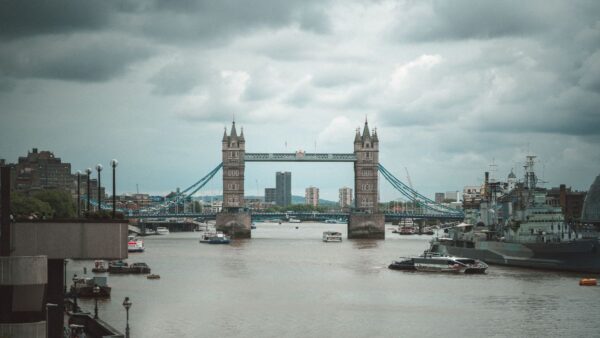
The capital is endlessly varied. For architecture, the South Bank between Tower Bridge and Tate Modern delivers stunning compositions at any time of day. Primrose Hill gives you one of the best panoramic skyline views in the city. For street photography, Brick Lane on a Sunday morning, Borough Market, and Portobello Road all have that organic, layered visual energy that makes candid photography so rewarding.
Edinburgh
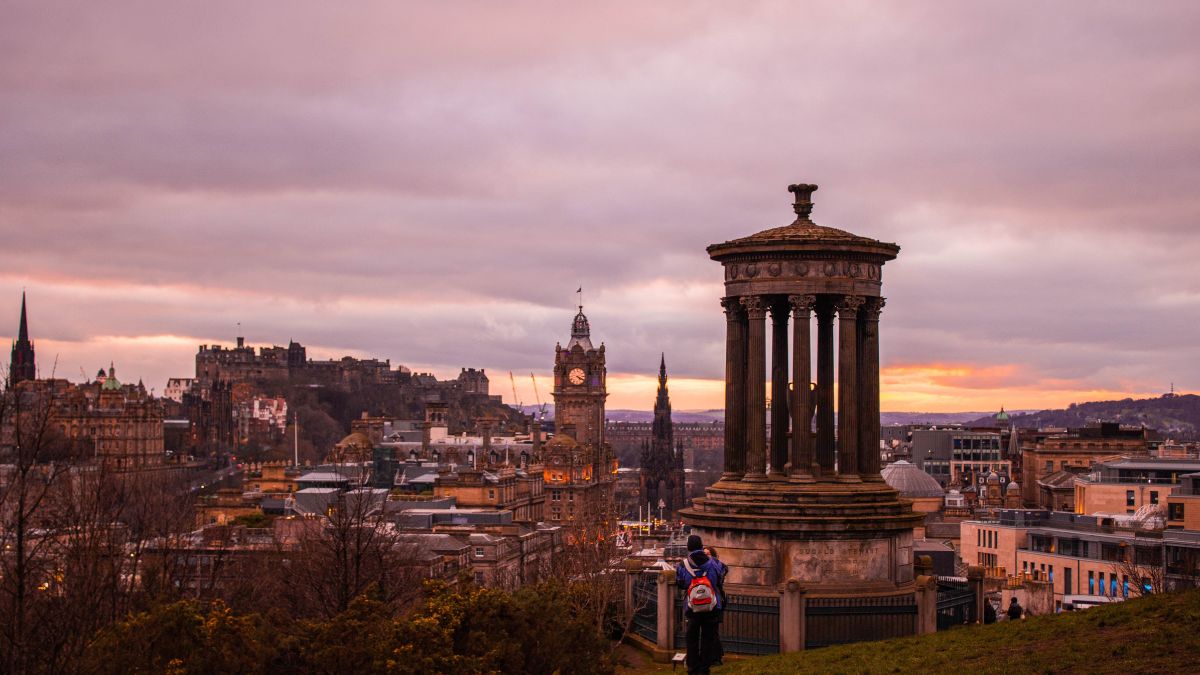
Edinburgh’s Old Town is practically a film set. The closes (narrow alleyways), the gothic spires, and the volcanic rock that Castle Rock sits upon all combine into one of the most architecturally intense small cities in Europe. Calton Hill is the classic viewpoint, but Arthur’s Seat — an ancient volcano right in the middle of the city — gives you a completely different and far more dramatic angle.
Bristol and Manchester
Bristol’s Stokes Croft neighbourhood is a rotating outdoor gallery of world-class street art, while the Clifton Suspension Bridge provides iconic engineering photography in a gorgeous gorge setting. Manchester’s Northern Quarter has a gritty, characterful energy that works brilliantly for documentary-style and street photography — Victorian red-brick architecture mixed with independent culture at its most vivid.
Pros and Cons of UK Photography Locations
To help you plan realistically, here’s an honest breakdown of what to expect when shooting in the UK.
Pros
- Extraordinary variety — coast, mountain, city, woodland, and moorland all within reach
- Rich golden hours, especially in summer when daylight lasts until nearly 10 PM in the north
- Open access laws in Scotland mean you can explore almost anywhere legally
- Well-developed transport links make most locations reachable without a car
- Overcast skies provide naturally diffused, flattering light year-round
- A strong community of photography clubs and workshops nationwide
Cons
- Popular spots (Skye, Durdle Door, Snowdon summit) can be very crowded in peak season
- Weather is genuinely unpredictable — plans need to stay flexible
- Some coastal and highland locations require fitness and safe navigation skills
- Wild camping is permitted in Scotland but more restricted in England and Wales
- Drone regulations have tightened significantly — check CAA rules before flying
Common Mistakes Photographers Make at UK Locations
Even experienced photographers make predictable errors when visiting new spots. Avoid these common pitfalls.
- Arriving too late: Golden hour is everything at landscape locations. Arriving 15 minutes after sunrise means missing the best light entirely.
- Ignoring the forecast: Weather apps like Weather Pro or Windy give far more granular forecasts than standard apps. Check cloud cover, not just rain.
- Skipping the research: Every iconic shot has an exact viewpoint. Spend 20 minutes on Google Maps satellite view and photography forums before you visit.
- Only shooting the obvious angle: Everyone has the same shot of Durdle Door from the cliff top. Walk down to the beach. Try a different focal length. Look behind you.
- Forgetting permissions: Some estates and private land require photography permits, even for personal use. Always check before you go.
- Underestimating conditions: Mountain weather in Scotland and Wales changes fast. Carry waterproofs, extra layers, and always tell someone where you’re going.
Best Practices for Finding and Shooting UK Locations
Build good habits from the start and your photography — and your experiences — will improve dramatically.
- Scout digitally first: Use Google Earth, Instagram geotags, and Flickr’s map search to find viewpoints before you travel.
- Use PhotoPills or The Photographer’s Ephemeris: These apps tell you exactly where the sun and moon will rise and set at any location on any date — invaluable for planning the perfect light.
- Arrive early, stay late: The hour around sunrise and the 30 minutes after sunset (the ‘blue hour’) often produce better light than golden hour itself.
- Shoot in RAW: UK weather means unpredictable colour casts. RAW files give you complete control in post-processing.
- Get off the main path: The most rewarding compositions are usually 10 to 15 minutes’ walk beyond where everyone else stops.
- Respect the locations: Leave no trace, stay on marked paths in sensitive habitats, and follow the Countryside Code.
- Connect with local photographers: Local photography groups on Facebook and Meetup.com often share conditions, access information, and guided walks at no cost.
Conclusion
The UK truly has it all — wild northern landscapes, ancient coastlines, vibrant cities, and a photographic culture that’s warm and welcoming at every level. The key is doing a little planning, staying flexible with the weather, and being willing to go further than the first car park you find.
Start with one location that genuinely excites you — somewhere you’d want to visit even without a camera. That excitement translates directly into better photographs. Build your shot list, check the light forecasts, set an early alarm, and go make something worth looking at. The best photography location is always the one you actually show up to.
Frequently Asked Questions
1. What are the best free photography locations in the UK?
Most of the UK’s best photography spots are free to access. These include the entire Jurassic Coast, the Yorkshire Dales, the Lake District National Park, Glencoe, Snowdonia, and the Giant’s Causeway (though the visitor centre at the Causeway charges an entry fee, the rocks themselves are free to access). National Trails and Rights of Way give free access to thousands of miles of scenery across England, Scotland, and Wales.
2. What time of year is best for landscape photography in the UK?
Autumn (September to November) is widely considered the best season for UK landscape photography. The combination of colourful foliage, frequent misty mornings, and lower crowd levels — especially in October — creates exceptional conditions. Spring runs a close second, particularly for bluebell woodland and coastal wildflower scenes. Winter offers dramatic skies and potential snow scenes, especially in Scotland and Wales.
3. Do I need a permit to take photographs at UK National Parks?
For personal and editorial photography, most National Parks in the UK do not require a permit. However, commercial photography — including advertising campaigns, stock photography shoots with models, or large film productions — may require permission from the relevant National Park authority or landowner. Always check with the specific location before a commercial shoot.
4. Can I fly a drone at photography locations in the UK?
Drone flying in the UK is regulated by the Civil Aviation Authority (CAA). You must register your drone if it weighs 250g or more, pass the relevant theory test, and obtain a flyer ID. Many of the UK’s most popular photography locations — including National Parks and Areas of Outstanding Natural Beauty — fall within restricted airspace or require specific permissions before flying. Always check the CAA’s drone rules and use the NATS drone assist app before any flight.
5. How do I find lesser-known photography locations in the UK?
The best way to find hidden gems is to combine several research methods: browse Flickr’s map tool to see what’s been photographed in a specific area, use Google Earth’s satellite view to spot interesting terrain features, join local photography groups on Facebook where members often share undiscovered spots, and simply explore beyond the obvious viewpoints at any location you visit. Local tourist offices and National Park rangers are also an underused source of insider knowledge.
/ You May Also Read /
Photography Places Near Me: Top 10 Hidden Gems in the UK You Need to Shoot
Portraits and Photography: Your Complete Guide to Capturing Stunning Images in 2026
Photography Tips
Silk Road Photography: Capturing History, Culture, and Landscapes Along the Ancient Trade Route
The art of silk road photography combines travel, storytelling, history, and cultural exploration into one unforgettable experience. Stretching across thousands of miles from East Asia to Europe, the Silk Road remains one of the most fascinating routes in human history. For photographers, it offers endless opportunities to document breathtaking landscapes, ancient architecture, vibrant markets, and diverse communities.
Whether you are a professional travel photographer or an enthusiastic beginner, photographing the Silk Road can help you create a portfolio filled with powerful visual stories. From desert caravans and historic cities to mountain passes and cultural traditions, every stop reveals a unique chapter of the world’s interconnected past.
What Is Silk Road Photography?
Silk Road photography refers to the practice of capturing images inspired by or taken along the historic Silk Road trade routes.
This photography niche often focuses on:
- Ancient landmarks
- Cultural traditions
- Historic architecture
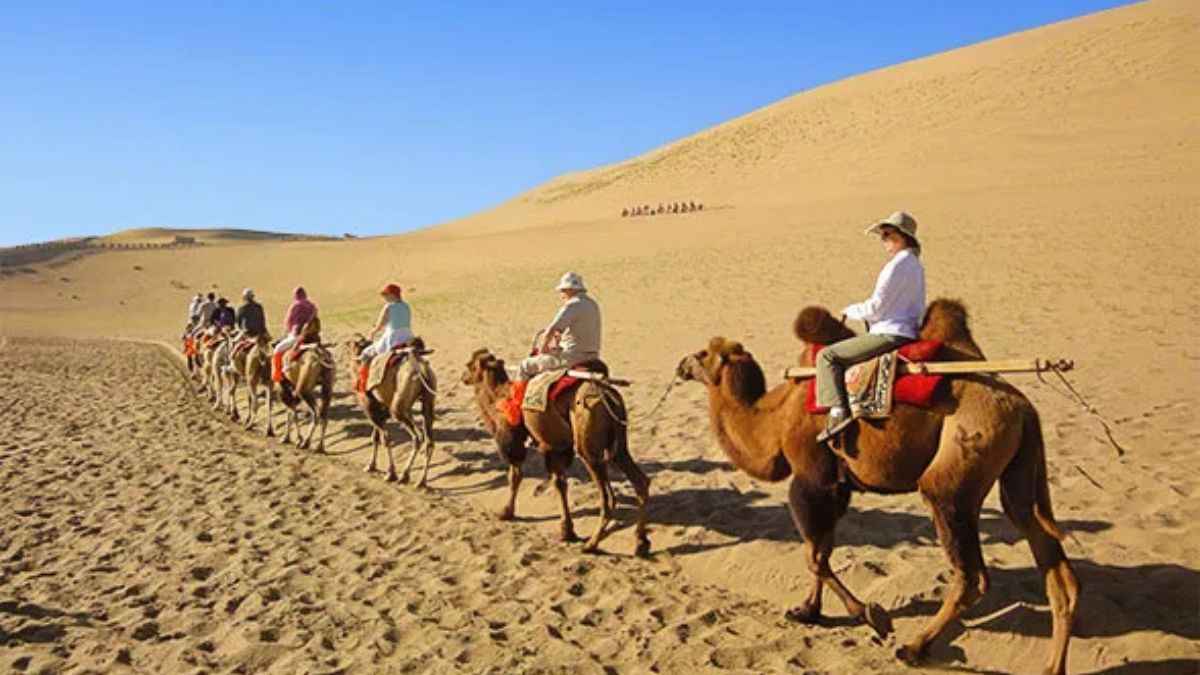
- Landscapes and deserts
- Local communities
- Traditional markets
- Religious sites
- Travel storytelling
Because the Silk Road spans multiple countries and cultures, photographers gain access to an incredible variety of subjects.
Why the Silk Road Attracts Photographers
Several factors make the region particularly appealing:
- Rich historical significance
- Diverse ethnic cultures
- Spectacular natural scenery
- Unique architectural styles
- Vibrant colors and textures
- Opportunities for documentary storytelling
These elements combine to create visually compelling images that stand out in travel photography collections.
Best Locations for Silk Road Photography
Some destinations offer especially rewarding photographic opportunities.
Top Silk Road Photography Destinations
| Destination | Photography Highlights | Best Time to Visit |
|---|---|---|
| Samarkand | Blue-tiled mosques and historic squares | Spring and Autumn |
| Bukhara | Ancient streets and traditional culture | Spring |
| Kashgar | Local markets and cultural portraits | Autumn |
| Dunhuang | Desert landscapes and cave temples | Spring and Fall |
| Xi’an | Historic city walls and cultural heritage | Spring |
| Merv | Ancient archaeological ruins | Cooler months |
These locations showcase different aspects of Silk Road history and culture.
Samarkand’s Architectural Wonders
Samarkand is often considered one of the most photogenic cities along the route. Its grand Islamic architecture, intricate tilework, and historic monuments create stunning compositions throughout the day.
Golden hour is particularly rewarding when sunlight reflects off the vibrant blue mosaics.
Kashgar’s Cultural Energy
Kashgar provides excellent opportunities for street photography and cultural documentation. Traditional markets, local crafts, and daily life scenes allow photographers to capture authentic moments rich in character and emotion.
Capturing Landscapes Along the Silk Road
The Silk Road is famous for its dramatic and varied landscapes.
From deserts to mountain ranges, photographers can explore a wide range of natural environments.
Essential Landscape Subjects
- Sand dunes
- Mountain passes
- River valleys
- Grasslands
- Desert roads
- Ancient caravan routes
- Sunset panoramas
Landscape Photography Planning Guide
| Landscape Type | Recommended Lens | Best Lighting |
|---|---|---|
| Desert Dunes | Wide-angle | Sunrise or Sunset |
| Mountains | Wide-angle to Telephoto | Early Morning |
| Valleys | Wide-angle | Golden Hour |
| Ancient Routes | Standard Zoom | Morning Light |
| Oasis Scenes | Wide-angle | Late Afternoon |
Careful planning helps maximize image quality and storytelling potential.
Working With Natural Light
Light dramatically affects landscape photography.
For the best results:
- Shoot during golden hour
- Avoid harsh midday sunlight
- Use side lighting for texture
- Include foreground elements
- Watch changing weather conditions
These techniques help reveal depth and atmosphere within your compositions.
Documenting Culture and Everyday Life
One of the most rewarding aspects of Silk Road travel photography is capturing people and traditions.
Local communities preserve customs that have evolved over centuries, offering meaningful opportunities for visual storytelling.
Respectful Cultural Photography
Before photographing people:
- Ask permission when appropriate
- Learn local customs
- Be respectful of religious sites
- Engage with communities
- Avoid intrusive behavior
Respect builds trust and often leads to stronger photographs.
Popular Cultural Subjects
- Traditional clothing
- Handcrafted textiles
- Local cuisine
- Religious ceremonies
- Market activities
- Family businesses
- Artisan workshops
These subjects help create a deeper narrative beyond scenic landscapes.
Photography Equipment for Silk Road Adventures
Choosing the right gear can improve both image quality and travel convenience.
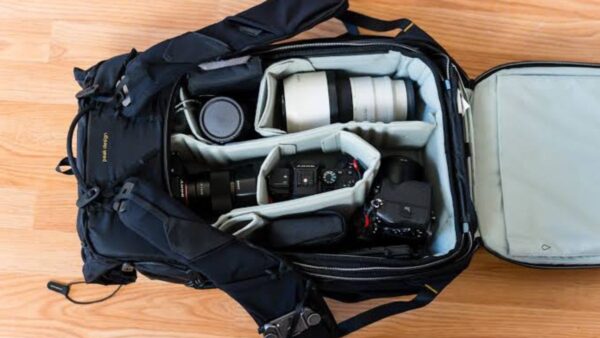
Recommended Photography Kit
| Equipment | Purpose | Importance |
|---|---|---|
| Mirrorless Camera | Versatile travel shooting | High |
| Wide-Angle Lens | Landscapes and architecture | High |
| Telephoto Lens | Portraits and distant subjects | Medium |
| Tripod | Low-light photography | Medium |
| Extra Batteries | Remote travel support | High |
| Lens Cleaning Kit | Dusty environments | High |
The Silk Road often includes deserts and remote areas, making preparation essential.
Protecting Equipment in Harsh Conditions
Dust, heat, and changing temperatures can challenge photographers.
Protect your gear by:
- Using weather-sealed equipment
- Carrying protective covers
- Cleaning lenses regularly
- Storing equipment properly
- Bringing backup memory cards
Small precautions can prevent major issues during extended journeys.
Composition Techniques for Better Silk Road Images
Strong compositions transform ordinary travel photos into memorable visual stories.
Use Leading Lines
Ancient roads, pathways, walls, and market alleys naturally guide viewers through an image.
These elements create visual flow and improve engagement.
Include Human Elements
Adding people helps:
- Provide scale
- Add emotional impact
- Create storytelling opportunities
- Showcase cultural identity
Even a single person can significantly strengthen a landscape photograph.
Focus on Details
Not every image needs a grand scene.
Photograph:
- Decorative tiles
- Traditional fabrics
- Handcrafted objects
- Architectural details
- Market displays
Detail shots enrich your overall travel narrative.
Common Mistakes in Silk Road Photography
Even experienced photographers make mistakes when exploring unfamiliar destinations.
Mistakes to Avoid
- Ignoring local customs
- Shooting only famous landmarks
- Overpacking equipment
- Missing golden hour opportunities
- Forgetting backup storage
- Rushing through locations
- Neglecting weather planning
Avoiding these issues can improve both your experience and your results.
Best Practices for Outstanding Results
Successful photographers often follow a structured approach.
Proven Best Practices
- Research destinations in advance.
- Understand cultural etiquette.
- Arrive early for ideal lighting.
- Capture both wide and detailed shots.
- Tell a story through image sequences.
- Keep equipment lightweight.
- Focus on authenticity over perfection.
Consistency often matters more than having expensive gear.
Pros and Cons of Silk Road Photography
Pros
- Extraordinary cultural diversity
- Unique historical subjects
- Spectacular landscapes
- Strong storytelling opportunities
- Portfolio-building potential
- Memorable travel experiences
Cons
- Long travel distances
- Challenging weather conditions
- Remote locations
- Language barriers
- Dust and equipment risks
- Complex travel logistics
Understanding these factors helps photographers prepare effectively.
Creating a Visual Story Along the Silk Road
The best travel photography goes beyond individual images.
Instead of focusing only on landmarks, consider documenting an entire journey.
A complete visual story might include:
- Arrival scenes
- Local transportation
- Architectural highlights
- Portraits
- Food culture
- Landscapes
- Daily activities
- Departure moments
This approach creates a richer narrative that audiences connect with emotionally.
Conclusion
Silk road photography offers far more than beautiful travel images. It provides an opportunity to document centuries of history, diverse cultures, breathtaking landscapes, and authentic human experiences. Every destination along the ancient trade route presents new stories waiting to be told through a camera lens.
By combining thoughtful planning, cultural respect, strong composition, and creative storytelling, photographers can create powerful images that capture the spirit of one of the world’s most legendary travel corridors. Whether exploring historic cities, remote deserts, or vibrant marketplaces, the Silk Road remains one of the most rewarding destinations for visual storytelling.
Frequently Asked Questions
1. What is Silk Road photography?
Silk Road photography focuses on capturing landscapes, architecture, cultures, and historical sites connected to the ancient Silk Road trade routes.
2. Which country is best for Silk Road photography?
Uzbekistan is often considered one of the best destinations due to cities like Samarkand and Bukhara that feature remarkable architecture and cultural heritage.
3. What lens is best for Silk Road travel photography?
A wide-angle lens is ideal for landscapes and architecture, while a telephoto lens works well for portraits and distant subjects.
4. When is the best time to photograph the Silk Road?
Spring and autumn generally provide comfortable weather, softer light, and better photography conditions across many Silk Road regions.
5. Is Silk Road photography suitable for beginners?
Yes. Beginners can learn landscape, cultural, architectural, and documentary photography while exploring diverse subjects along the route.
/ You May Also Read /
Photography in the Studio: Essential Tips and Setup Guide for Better Shots
-
 Photography Tips2 weeks ago
Portraits and Photography: Your Complete Guide to Capturing Stunning Images in 2026
-

 Photography Tips1 month ago
Photography in the Studio: Essential Tips and Setup Guide for Better Shots
-
 Photography Tips2 weeks ago
Photography Locations Near Me: Best UK Spots to Visit in 2026
-
 Photography Tips2 weeks ago
Photography Places Near Me: Top 10 Hidden Gems in the UK You Need to Shoot
-

 Lifestyle2 months ago
Family Photography: Best Poses, Locations & Expert Tips for Stunning Shots
-
 Photography Tips1 month ago
Challenges of Photography: Common Obstacles Every Photographer Faces and How to Overcome Them
-

 Photography Tips1 month ago
Beginner Photography Camera Guide: How to Choose the Perfect First Camera
-
 Photography Tips1 month ago
Drone Photography Near Me: How to Find the Best Aerial Photography Services in Your Area