
Business
Commercial Photography in 2026: A Complete Guide for Beginners and Brands

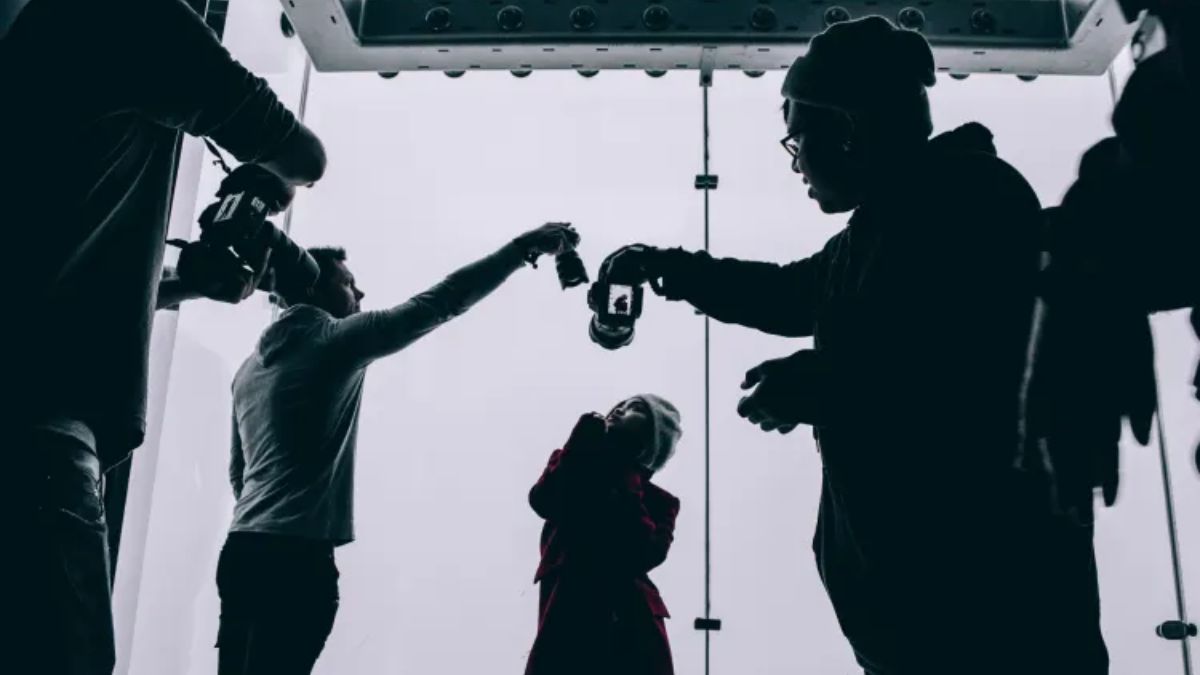
Commercial photography sells products before a single word is written. It’s the reason a burger looks irresistible in an ad. Also, it’s why a watch looks luxurious on a website.
Interestingly, this entire industry runs on one goal: making people want to buy something. So, if you’ve ever wondered how brands create those polished, scroll-stopping images, this guide is for you.
We’ll cover what commercial photography actually means, how photographers build a career in it, and what it takes to succeed in 2026.
Quick Facts
| Category | Details |
|---|---|
| Field Name | Commercial Photography |
| Main Purpose | Marketing, advertising, and product promotion |
| Common Clients | Brands, agencies, e-commerce businesses |
| Popular Niches | Product, food, fashion, real estate photography |
| Average Project Rate | $200 to $10,000+ depending on scope |
| Key Skills Needed | Lighting, editing, client communication |
| Career Growth | Strong, driven by e-commerce and social media |
What Is Commercial Photography?
Commercial photography is the art of creating images used to sell products or services. Brands use these photos in ads, websites, packaging, and social media.
Unlike personal or artistic photography, this field focuses on one thing: results. Therefore, every shot is planned around a business goal, not just creativity.
Background and Origins of Commercial Photography
Commercial photography grew alongside advertising itself. As print magazines and catalogs became popular, businesses needed strong images to compete for attention.
Over time, television and billboards added new demand. However, the biggest shift happened when the internet turned every business into a visual brand.
Influences That Shaped the Industry
Fashion magazines and product catalogs pushed photographers to master lighting and composition early on. Meanwhile, food and beverage brands demanded photographers who could make meals look mouthwatering.
As a result, commercial photography split into specialized niches. Each niche required its own unique skill set and equipment setup.
How Photographers Build a Career in Commercial Work
Breaking into commercial photography takes more than owning a good camera. It requires business skills, technical training, and a strong portfolio.

Career Timeline
| Stage | Milestone | Details |
|---|---|---|
| Learning phase | Mastering lighting and composition | Most photographers start with personal or freelance projects |
| Building phase | Creating a niche portfolio | Focusing on one area like food, fashion, or product shots |
| Growth phase | Landing brand clients | Working with small businesses before larger agencies |
| Established phase | Long-term brand contracts | Repeat clients and consistent monthly income |
| Expansion phase | Team and studio growth | Hiring assistants, renting studio space |
Getting Started in the Field
Most photographers begin by shooting for small local businesses. This builds real-world experience and a portfolio that attracts bigger clients.
Growing a Client Base
Word-of-mouth and social media play a huge role in growth. In fact, many successful commercial photographers get most of their clients through Instagram and referrals.
Reaching Bigger Opportunities
Landing agency or corporate clients often takes years of consistent, high-quality work. But once trust builds, these relationships can become long-term contracts.
Income Sources in Commercial Photography
Commercial photography can be a full-time, profitable career. However, income often comes from multiple sources, not just one type of shoot.
Income Breakdown
| Income Source | Estimated Earnings | Notes |
|---|---|---|
| Product photography | $150 – $2,000 per project | Common for e-commerce brands |
| Food photography | $300 – $3,000 per project | Restaurants, packaging, menus |
| Fashion and brand campaigns | $1,000 – $10,000+ | Larger budgets, agency involvement |
| Licensing and stock photos | $50 – $500 per image | Passive, ongoing income |
| Retainer contracts | $500 – $5,000 monthly | Regular work for one client |
How Photographers Actually Make Money
Many photographers combine one-time projects with retainer clients. This creates a stable income base while still allowing for high-paying campaign work.
Additionally, some photographers sell their images through stock photography sites. So, older work can keep earning money long after the shoot ends.
What Makes Commercial Photography Unique
Commercial photography blends creativity with strategy. Every image must look great and also support a business goal.
This is different from artistic photography, where personal expression comes first. Instead, commercial work always serves the client’s brand and message.
Moreover, commercial photographers often work closely with marketing teams. Therefore, communication skills matter just as much as camera skills.
Key Turning Points in the Industry
Social media completely changed commercial photography. Suddenly, small businesses needed professional-looking images just to compete online.
E-commerce growth pushed this even further. As a result, product photography became one of the most in-demand niches in the entire industry.
Common Challenges in Commercial Photography
Client expectations can shift quickly, and tight deadlines are common. Photographers must often deliver polished images within days, sometimes hours.
Additionally, competition has grown as more people enter the field. So, standing out requires a strong personal style and reliable client relationships.
Public information about exact industry-wide income averages is limited, since most photographers work as independent freelancers. Rates vary widely by location and niche.
Public Image and Industry Influence
Commercial photography shapes how people see products every single day. Every ad, package, and website relies on it.
Furthermore, this field has influenced how brands build trust online. High-quality images often decide whether a customer clicks “buy” or scrolls past.
Interesting and Lesser-Known Facts
- Food photographers sometimes use non-food items to keep meals looking fresh under hot lights
- Product photography often uses focus stacking to keep every detail sharp
- Many commercial photographers specialize in just one niche for years
- Some brands book photographers months in advance for seasonal campaigns
Commercial Photography vs Other Photography Styles
Commercial photography differs greatly from wedding or portrait photography. Weddings focus on emotion and memories. However, commercial work focuses on selling a product or idea.
Compared to fine art photography, commercial images follow strict brand guidelines. Instead of personal freedom, photographers work within a client’s vision.
Commercial Photography in 2026 — What’s Changing
By 2026, AI editing tools have sped up post-production significantly. However, brands still rely on real photographers for authentic, high-quality visuals.
Additionally, short-form video content now often pairs with commercial photo shoots. So, many photographers now offer both photo and video packages together.
FAQs
What is commercial photography used for?
Commercial photography is used to promote products and services through ads, websites, and packaging. Its main goal is to help businesses sell more effectively.
How much do commercial photographers charge?
Rates vary widely, ranging from around $150 for small product shoots to $10,000 or more for large brand campaigns. Pricing depends on experience, niche, and project scope.
Is commercial photography a good career?
Yes, it offers strong income potential, especially with the growth of e-commerce and social media marketing. However, success depends on building a strong portfolio and client base.
What skills do you need for commercial photography?
You need strong lighting and editing skills, along with good communication for working with clients. Business skills also matter for managing contracts and pricing.
What’s the difference between commercial and product photography?
Product photography is actually a specific type of commercial photography focused on items for sale. Commercial photography is the broader category covering ads, branding, and marketing images overall.
Conclusion
Commercial photography turns ordinary products into images people can’t scroll past. It’s a career built on both creativity and strategy.
What makes this field unique is its constant evolution. As brands change how they sell, commercial photographers adapt right alongside them.
Think about it — every ad you’ve ever paused on started with someone behind a camera. That’s the real power of commercial photography.
/ You May Also Read /
Best Cameras for Travel Photography in 2026: A Practical Buying Guide

Starting a photography business sounds exciting until you actually sit down and try to do it. That’s exactly where Andrea Apple found herself a few years ago. When Andrea Apple opened Apple Photography, she didn’t have a massive budget or a fancy studio. What she had was a decent camera, a genuine passion for storytelling, and a willingness to learn as she went.
Her journey offers a practical blueprint for anyone thinking about turning a photography hobby into a real business. In this article, we’ll walk through how she did it, what worked, what didn’t, and how you can apply the same lessons to your own creative venture.
Why Andrea Apple’s Story Resonates With New Photographers
Andrea wasn’t a trained professional when she started. She learned photography through online tutorials, trial and error, and countless hours practicing on friends and family. That’s a relatable starting point for most people who dream of running their own photography studio.
Her story matters because it proves that success doesn’t require perfect conditions. It requires consistency, smart planning, and a clear understanding of your niche.
The Spark Behind Apple Photography
Andrea’s interest began with simple portrait sessions for friends. Over time, she noticed something important: people were willing to pay for quality images that captured genuine emotion. That realization became the foundation of her business.
She didn’t rush into it. Instead, she spent months building a portfolio, testing different photography styles, and figuring out which type of work she enjoyed most.
Steps Andrea Apple Took to Launch Her Photography Business
Every successful business follows a series of deliberate steps. Here’s a breakdown of the process Andrea used when she opened Apple Photography.
- Defined a clear niche (family and lifestyle photography)
- Built a small but strong portfolio before charging clients
- Invested in essential gear rather than expensive extras
- Created a simple, professional website
- Used social media to showcase real client work
- Set transparent pricing packages
- Asked early clients for honest reviews and referrals
This approach kept her costs low while building trust quickly.
Choosing a Niche That Fits Your Strengths
One of the smartest moves Andrea made was picking a niche early. Instead of trying to shoot weddings, products, and events all at once, she focused on lifestyle and family photography.
This decision helped her:
- Build a recognizable brand identity
- Attract the right clients faster
- Improve her skills in one specific area
- Charge higher rates as her expertise grew
If you’re just starting out, narrowing your focus can save you months of confusion.
Essential Tools and Equipment for a New Photography Business
Many beginners assume they need top-tier gear to start. Andrea proved otherwise. She started with mid-range equipment and upgraded gradually as her income grew.
| Business Stage | Recommended Equipment | Approximate Investment |
|---|---|---|
| Beginner | Entry-level DSLR or mirrorless camera, one versatile lens | Low |
| Growing | Second lens, external flash, basic editing software | Moderate |
| Established | Studio lighting, backup camera body, premium editing tools | Higher |
This staged approach reduces financial risk while still allowing room for professional growth.
Building a Brand: How Apple Photography Found Its Identity
A strong brand goes beyond a logo or a business name. Andrea focused on consistency across every touchpoint, from her website to her social media captions.
Creating a Recognizable Visual Style
She developed a signature editing style using warm, natural tones. This made her work instantly recognizable, even without a watermark. Clients began requesting her specifically because of that consistent aesthetic.
Building an Online Presence
Andrea used Instagram and a simple portfolio website to attract early clients. She avoided spreading herself too thin across every platform and instead focused on where her ideal audience spent the most time.
Her early marketing checklist looked like this:
- Post consistently, three times a week
- Share behind-the-scenes content, not just final photos
- Respond to every comment and inquiry personally
- Collect and display client testimonials
Pricing Strategy: How Andrea Apple Set Her Rates
Pricing is one of the biggest challenges new photographers face. Andrea avoided the common trap of underpricing her work just to attract clients.
Instead, she researched local competitors, calculated her actual costs, and built simple, tiered packages.
| Package Type | Best For | What’s Included |
|---|---|---|
| Basic Session | First-time clients | One-hour shoot, 15 edited photos |
| Standard Session | Families and couples | Two-hour shoot, 30 edited photos, print rights |
| Premium Session | Businesses and events | Half-day coverage, full edited gallery, priority delivery |
This structure made it easy for clients to choose an option without confusion, and it gave Andrea predictable income as her business grew.
Pros and Cons of Starting a Photography Business Like Andrea Apple
Every business decision comes with tradeoffs. Here’s an honest look at both sides.
Pros:
- Low startup costs compared to many other businesses
- Flexible working hours
- Creative freedom and personal brand control
- Growing demand for authentic, high-quality imagery
- Ability to scale gradually without large upfront risk
Cons:
- Inconsistent income, especially in the early months
- High competition in most local markets
- Requires ongoing marketing effort, not just photography skill
- Equipment maintenance and upgrades cost money over time
- Client management and admin work take up significant time
Understanding these tradeoffs early helps set realistic expectations.
Common Mistakes New Photographers Make
Andrea openly admits she made a few missteps early on. Learning from these can save you time and money.
- Undervaluing your work just to get more bookings
- Skipping contracts, even for small sessions
- Buying expensive gear before mastering the basics
- Ignoring the business side, like taxes and invoicing
- Trying to serve every type of client instead of a specific niche
- Neglecting a consistent editing style
- Not asking for testimonials or referrals
Avoiding these pitfalls can significantly shorten your learning curve.
Best Practices for Launching a Successful Photography Studio
Based on Andrea’s experience and common industry advice, here are practices worth following from day one.
- Start with a clear niche instead of trying to do everything
- Build a portfolio before actively seeking paid clients
- Set fair, sustainable pricing from the start
- Use contracts for every session, no exceptions
- Invest in learning before investing heavily in gear
- Stay consistent with your online presence
- Ask for feedback and use it to improve continuously
These habits build both credibility and long-term stability.
Conclusion
When Andrea Apple opened Apple Photography, she didn’t have everything figured out from day one. What she had was a clear plan, a willingness to learn, and the discipline to stay consistent even when results were slow. That combination is often more valuable than expensive equipment or perfect timing.
If you’re considering starting your own photography business, her journey shows that it’s entirely possible to grow from a hobbyist with a camera into a recognized, trusted professional. Start small, stay focused on your niche, and let your consistency do the heavy lifting.
Frequently Asked Questions
1. How did Andrea Apple start her photography business?
She began by practicing on friends and family, built a small portfolio, then gradually transitioned into paid sessions once she felt confident in her skills.
2. What equipment do I need to start a photography business like Apple Photography?
A reliable entry-level camera and one versatile lens are enough to start. You can upgrade equipment gradually as your client base grows.
3. How much should beginner photographers charge?
Pricing should reflect your costs, local market rates, and experience level. Avoid pricing too low, as it can undervalue your work and attract the wrong clients.
4. Is choosing a photography niche really necessary?
Yes. Focusing on one niche, like family or lifestyle photography, helps you build expertise faster and attract clients more effectively than trying to cover every photography type.
5. How long does it take to build a successful photography business?
Most photographers see steady growth within one to two years, depending on consistency in marketing, quality of work, and word-of-mouth referrals.
/ You May Also Read /
Eye of Photography: Understanding the Art, Vision, and Skills Behind Great Images
Beginner Photography Camera Guide: How to Choose the Perfect First Camera
-

 Photography Tips1 month ago
50+ Creative Photoshoot Ideas to Try in 2026
-

 Lifestyle3 months ago
Family Photography: Best Poses, Locations & Expert Tips for Stunning Shots
-

 Blog2 months ago
How to Turn On Profile Picture Guard: A Complete Step-by-Step Guide
-
 Photography Tips3 months ago
Challenges of Photography: Common Obstacles Every Photographer Faces and How to Overcome Them
-

 Photography Tips3 months ago
Photography in the Studio: Essential Tips and Setup Guide for Better Shots
-

 Blog2 months ago
Profile Picture Guide: How to Choose a Photo That Gets Noticed
-
 Photography Tips2 months ago
Portraits and Photography: Your Complete Guide to Capturing Stunning Images in 2026
-
 Studio Photography1 month ago
Types of Lighting in Photography: A Complete Beginner-to-Pro Guide