
Headshot Photography
Mirrorless Photography in 2026: The Complete Beginner’s Guide

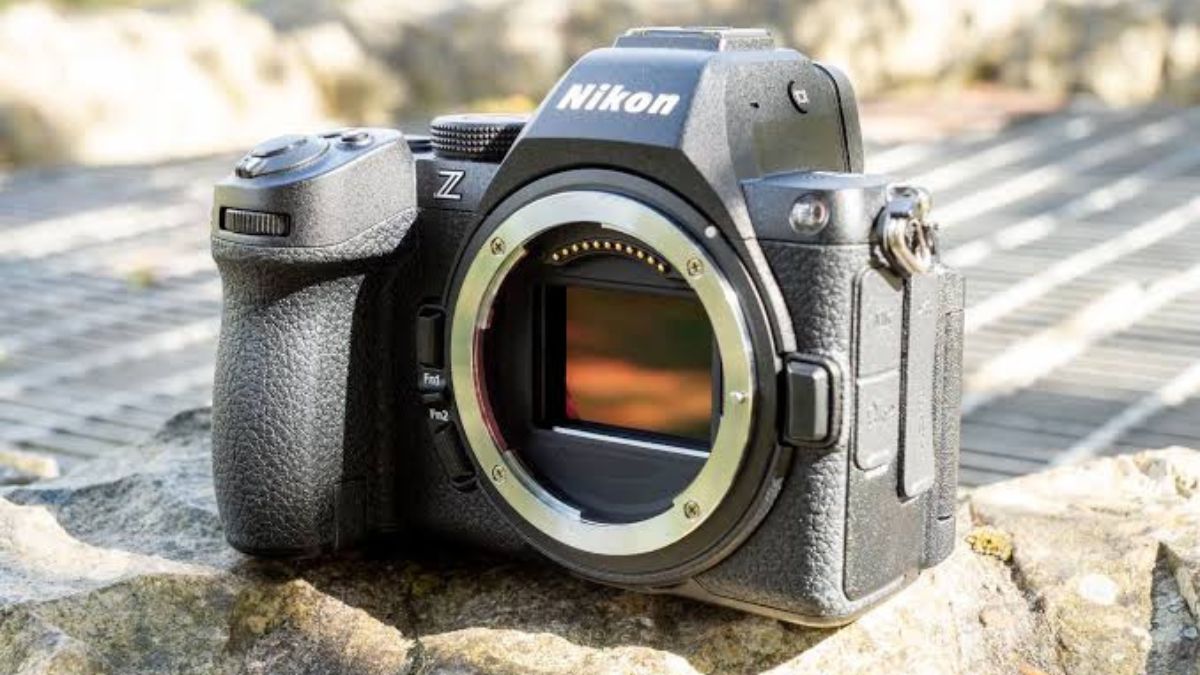
Mirrorless photography has changed how people capture the world. It ditched the bulky mirror system of old cameras. Instead, it uses digital sensors and electronic viewfinders.
Interestingly, most professional photographers have already switched to mirrorless systems. So, if you’re thinking about buying your first camera, this shift matters to you too.
This guide breaks down everything you need to know. We’ll cover the history, the technology, the costs, and where mirrorless photography is heading in 2026.
Quick Facts
| Category | Details |
|---|---|
| Concept Name | Mirrorless Photography |
| Camera Type | Digital, no reflex mirror |
| First Introduced | Late 2000s (Panasonic, Olympus) |
| Leading Brands | Sony, Canon, Nikon, Fujifilm, Panasonic |
| Key Advantage | Compact size, fast autofocus, video quality |
| Popularity Level | High among professionals and hobbyists |
| Average Price Range | $500 to $6,500+ depending on the model |
What Is Mirrorless Photography?
Mirrorless photography is a style of shooting that uses cameras without an internal mirror. Instead, light hits the sensor directly.
This means you see a live digital preview through the viewfinder or screen. As a result, mirrorless cameras are lighter, faster, and often better at video.
History and Background of Mirrorless Photography
Traditional cameras used a mirror to bounce light into an optical viewfinder. This design worked well for decades. However, it added bulk and mechanical complexity.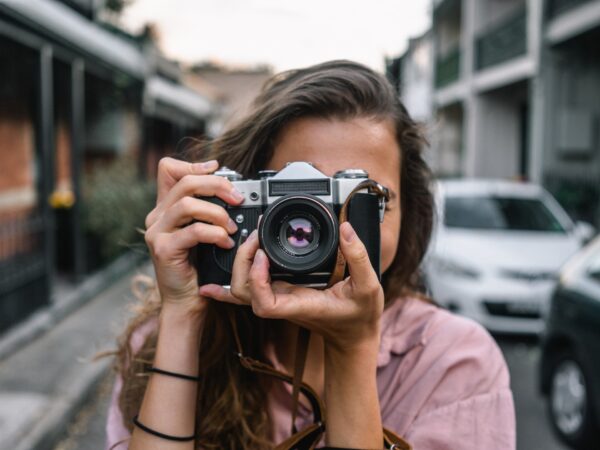
Mirrorless technology removed that mirror completely. Instead, it relies on electronic viewfinders and rear screens. Therefore, camera bodies became smaller and quieter almost overnight.
Origins and Early Influences
Panasonic and Olympus released some of the first mirrorless models in 2008 and 2009. These early cameras targeted casual users who wanted DSLR-quality photos in a smaller body.
Sony joined soon after with its full-frame mirrorless lineup. This move pushed professional photographers to take the format seriously. Meanwhile, Canon and Nikon watched closely before entering the space themselves.
How Mirrorless Photography Developed
Growth didn’t happen overnight. It took years of sensor improvements, better autofocus systems, and stronger battery life to win over professionals.
Development Timeline
| Year | Milestone | Details |
|---|---|---|
| 2008 | First mirrorless camera launched | Panasonic Lumix G1 introduced the format |
| 2013 | Full-frame mirrorless arrives | Sony Alpha 7 series debuts |
| 2018 | Canon and Nikon enter the market | Canon EOS R and Nikon Z series launched |
| 2020 | Mirrorless outsells DSLRs | Major shift in global camera sales |
| 2023-2026 | AI autofocus and video features expand | Eye-tracking, subject detection become standard |
Getting Started
Beginners today can pick up an entry-level mirrorless camera for a reasonable price. Most kits include one lens and basic manual controls.
Rise in Popularity
Content creators fueled a lot of this growth. Because mirrorless cameras shoot excellent video, YouTubers and vloggers adopted them quickly.
Major Achievements
Mirrorless systems now dominate professional photography, sports coverage, and wedding photography. In fact, many DSLR-only brands have stopped making new DSLR models entirely.
Investment and Cost Breakdown
Mirrorless photography can be affordable or expensive. It depends entirely on your goals and gear choices.
Cost Breakdown
| Component | Estimated Cost | Notes |
|---|---|---|
| Entry-level camera body | $500 – $1,000 | Great for beginners |
| Mid-range camera body | $1,200 – $2,500 | Popular with hobbyists |
| Professional camera body | $3,000 – $6,500+ | Used by working photographers |
| Lenses | $200 – $2,500 each | Prices vary widely by brand |
| Accessories | $100 – $800 | Bags, memory cards, tripods |
Where the Money Goes
Most of your budget should go toward lenses, not the camera body. A good lens often matters more than the camera itself. Additionally, memory cards and batteries add up over time.
Who Uses Mirrorless Photography
Mirrorless cameras attract a wide range of users. This isn’t just a professional’s tool anymore.
Professionals and Hobbyists
Wedding photographers, sports shooters, and wildlife photographers rely on mirrorless systems for speed. Meanwhile, hobbyists love the smaller size for travel and everyday shooting.
Content creators and vloggers also make up a huge portion of the mirrorless audience. So, the appeal spans far beyond traditional photography circles.
What Makes Mirrorless Photography Unique
Mirrorless cameras offer real-time exposure previews. You see exactly how your photo will look before you press the shutter.
This is different from older optical systems. Therefore, beginners find it easier to learn proper exposure settings faster.
Additionally, mirrorless cameras shoot silently in most cases. This makes them ideal for weddings, theater shows, and wildlife photography where noise matters.
Mirrorless vs DSLR: Key Turning Points
The biggest turning point came when Sony introduced full-frame mirrorless sensors. This proved mirrorless could match, and even beat, DSLR image quality.
Another major shift happened when Canon and Nikon committed fully to mirrorless lineups. As a result, DSLR development slowed dramatically across the industry.
Common Challenges and Misconceptions
Some photographers still believe mirrorless cameras drain batteries too fast. This was true in early models. However, newer batteries have closed much of that gap.
Another common myth is that mirrorless lenses are always more expensive. Instead, pricing varies a lot depending on the brand and lens type.
Public information about exact long-term battery life comparisons across all brands is limited. So, always check individual camera specs before buying.
Public Image, Influence, and Legacy
Mirrorless photography reshaped the entire camera industry. It pushed manufacturers to prioritize video quality alongside stills.
Furthermore, it made professional-level photography more accessible to everyday creators. Many social media influencers built their careers using compact mirrorless setups.
Interesting and Lesser-Known Facts
- The first mirrorless camera launched years before smartphones had great cameras
- Some mirrorless cameras can shoot over 20 frames per second
- Mirrorless systems use in-body stabilization that older DSLRs never had
- Many mirrorless bodies weigh 30-40% less than comparable DSLRs
Mirrorless vs Other Camera Types
Mirrorless cameras compete mainly against DSLRs and smartphone cameras. Compared to DSLRs, mirrorless bodies are lighter and focus faster in most situations.
Compared to smartphones, mirrorless cameras offer interchangeable lenses and far better low-light performance. However, smartphones remain more convenient for casual, everyday shots.
Mirrorless Photography in 2026 — What’s New
By 2026, most camera brands have shifted their entire lineup toward mirrorless technology. AI-powered autofocus now tracks eyes, faces, and even specific animals automatically.
Additionally, video capabilities keep improving. Many mirrorless cameras now shoot high-resolution video that rivals dedicated cinema cameras.
FAQs
Is mirrorless photography better than DSLR?
Mirrorless cameras generally offer faster autofocus, lighter bodies, and better video features. However, some photographers still prefer DSLRs for battery life and optical viewfinders.
Do professionals still use mirrorless cameras?
Yes, most professional photographers today use mirrorless systems. Sports, wedding, and wildlife photographers especially favor them for speed and silence.
Is mirrorless photography expensive for beginners?
Not necessarily. Entry-level mirrorless cameras start around $500, making them accessible for most beginners.
What is the main advantage of mirrorless cameras?
The biggest advantage is real-time exposure preview through an electronic viewfinder. This helps photographers see results before taking the shot.
Can mirrorless cameras shoot good video?
Yes, mirrorless cameras are known for excellent video quality. Many content creators choose them specifically for this reason.
Conclusion
Mirrorless photography didn’t just change cameras. It changed how people tell stories through images and video.
From casual hobbyists to working professionals, this technology opened doors that once felt out of reach. And as 2026 unfolds, that shift shows no signs of slowing down.
Think about it — what once needed a bulky bag full of gear now fits in one small body. That’s the real story behind mirrorless photography.
/ You May Also Read /
Travel Photography Tips: A Complete Guide to Capturing Stunning Shots
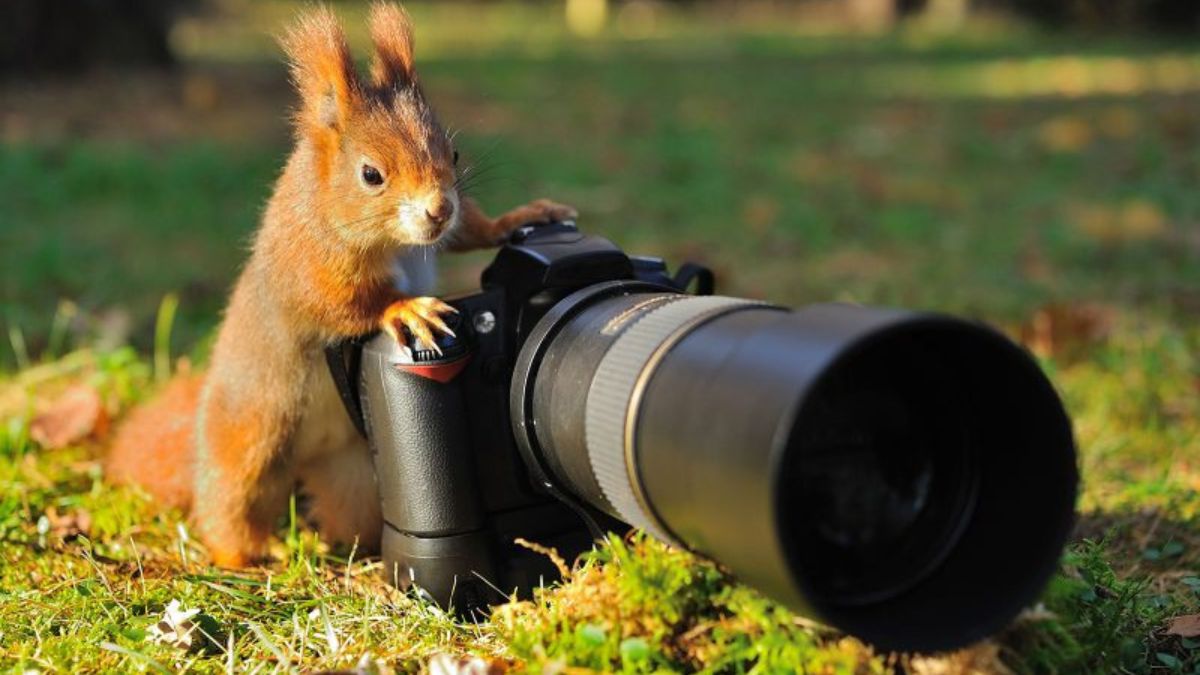
Wildlife photography is one of the most rewarding ways to connect with nature. There’s something magical about capturing a fox mid-stride or an eagle diving for prey. But getting that perfect shot takes more than luck. It takes patience, the right gear, and a solid understanding of animal behavior.
If you’re just starting out, this guide will walk you through everything you need to know. From choosing your first camera setup to mastering composition in the field, you’ll find practical advice you can actually use.
What Is Wildlife Photography?
Wildlife photography is the practice of capturing images of animals in their natural habitats. Unlike studio photography, it happens outdoors, often in unpredictable conditions. Photographers must work quickly, quietly, and respectfully around wild subjects.
This genre blends technical skill with fieldcraft. You need to understand your camera settings, but you also need to understand where animals live, how they move, and when they’re most active.
Why People Love It
Many photographers are drawn to this hobby because it combines adventure with creativity. Every outing feels different. You might spend hours waiting for a single shot, only to have a completely different animal appear out of nowhere. That unpredictability is part of the appeal.
Essential Gear for Wildlife Photography
You don’t need the most expensive equipment to get started, but certain tools make a real difference.
- A camera body with fast autofocus and good low-light performance
- A telephoto lens, ideally 300mm or longer
- A sturdy tripod or monopod for stability
- Extra batteries and memory cards
- A camera bag that protects gear from moisture and dust
- Camouflage clothing or a portable blind for staying hidden
Beginners often overspend on lenses before mastering the basics. Instead, focus on learning your current setup thoroughly before upgrading.
Camera Settings That Matter Most
Getting sharp, well-exposed images depends on understanding three core settings.
| Setting | Purpose | Recommended Starting Point |
|---|---|---|
| Shutter Speed | Freezes motion for fast-moving animals | 1/1000s or faster for birds in flight |
| Aperture | Controls depth of field and background blur | f/4 to f/6.3 for subject separation |
| ISO | Adjusts sensitivity in low light | Keep as low as possible, raise only when needed |
Once you understand how these three settings work together, adjusting on the fly becomes second nature.
Techniques for Capturing Better Animal Photos
Technical knowledge only gets you halfway. The rest comes from field experience and patience.
Understanding Animal Behavior
Successful wildlife photographers study their subjects before they ever raise a camera. Knowing feeding times, migration patterns, and typical movement helps you anticipate the moment before it happens.
Composition Tips
Strong composition separates an average photo from a memorable one.
- Use the rule of thirds to place your subject off-center
- Leave space in the direction the animal is facing or moving
- Shoot at eye level with the animal when possible
- Pay attention to the background to avoid clutter
Lighting and Timing
Early morning and late afternoon light, often called golden hour, produces warm, soft tones that flatter wildlife subjects. Harsh midday sun tends to create strong shadows and blown-out highlights.
Best Locations for Wildlife Photography
You don’t need to travel to Africa to start practicing. Local parks, wetlands, and nature reserves often host a surprising variety of species.
| Location Type | Common Subjects | Best Time to Visit |
|---|---|---|
| National Parks | Large mammals, birds of prey | Early morning or dusk |
| Wetlands and Lakes | Waterfowl, amphibians | Sunrise |
| Urban Green Spaces | Squirrels, songbirds, foxes | Dawn or dusk |
| Coastal Areas | Seabirds, marine mammals | Low tide periods |
Starting close to home builds skills without the pressure of a costly trip.
Pros and Cons of Wildlife Photography
Like any hobby, this one comes with rewards and challenges.
Pros:
- Deepens appreciation for nature and conservation
- Builds patience and observational skills
- Offers unique, unrepeatable moments
- Can be practiced almost anywhere
Cons:
- Requires significant time investment
- Weather and animal unpredictability can lead to missed shots
- Quality gear can be expensive
- Physically demanding, especially in remote terrain
Common Mistakes Beginners Make
Even enthusiastic beginners fall into predictable traps.
- Getting too close and stressing the animal
- Relying entirely on auto mode instead of learning manual settings
- Ignoring the background and focusing only on the subject
- Moving or talking loudly, scaring off wildlife before a shot is possible
- Skipping research on the location or species beforehand
Avoiding these mistakes early saves frustration and protects the animals you’re photographing.
Best Practices for Wildlife Photography
Following a few core principles will steadily improve your results.
- Always prioritize the animal’s safety and comfort over getting the shot.
- Use a longer lens rather than physically approaching wildlife.
- Practice with common backyard birds before tackling harder subjects.
- Review your images after each outing to learn from mistakes.
- Join local photography groups or forums to exchange tips and locations.
Consistency matters more than gear. Photographers who shoot regularly, even in unremarkable settings, improve faster than those waiting for the “perfect” trip.
Conclusion
Wildlife photography rewards patience, curiosity, and respect for nature. You don’t need professional-grade equipment to start capturing compelling images. What you need is a willingness to learn your camera, study animal behavior, and spend time in the field.
Start small, be consistent, and let your skills grow with every outing. Over time, you’ll develop an eye for the fleeting moments that make this hobby so addictive.
Frequently Asked Questions
1. What is the best camera for beginner wildlife photography?
Any camera with fast autofocus and manual controls works well. Many beginners start with an entry-level mirrorless or DSLR paired with a telephoto lens.
2. Do I need an expensive lens to shoot wildlife?
Not necessarily. A budget telephoto lens in the 100-400mm range is enough to learn the fundamentals before investing further.
3. What is the best time of day for wildlife photography?
Early morning and late afternoon offer the softest light and the most animal activity, making these the ideal windows.
4. How close should I get to wild animals?
Keep a safe, respectful distance and use zoom instead of approaching. This protects both you and the animal.
5. Can I practice wildlife photography in my backyard?
Yes. Local birds, squirrels, and insects are great practice subjects for mastering focus and composition before shooting larger animals.
/ You May Also Read /
Wedding Photography Packages: Complete Guide to Pricing, Coverage, and Value
Challenges of Photography: Common Obstacles Every Photographer Faces and How to Overcome Them
-

 Photography Tips1 month ago
50+ Creative Photoshoot Ideas to Try in 2026
-

 Lifestyle3 months ago
Family Photography: Best Poses, Locations & Expert Tips for Stunning Shots
-

 Blog2 months ago
How to Turn On Profile Picture Guard: A Complete Step-by-Step Guide
-
 Photography Tips3 months ago
Challenges of Photography: Common Obstacles Every Photographer Faces and How to Overcome Them
-

 Photography Tips3 months ago
Photography in the Studio: Essential Tips and Setup Guide for Better Shots
-
 Blog2 months ago
Profile Picture Guide: How to Choose a Photo That Gets Noticed
-
 Photography Tips2 months ago
Portraits and Photography: Your Complete Guide to Capturing Stunning Images in 2026
-

 Studio Photography1 month ago
Types of Lighting in Photography: A Complete Beginner-to-Pro Guide